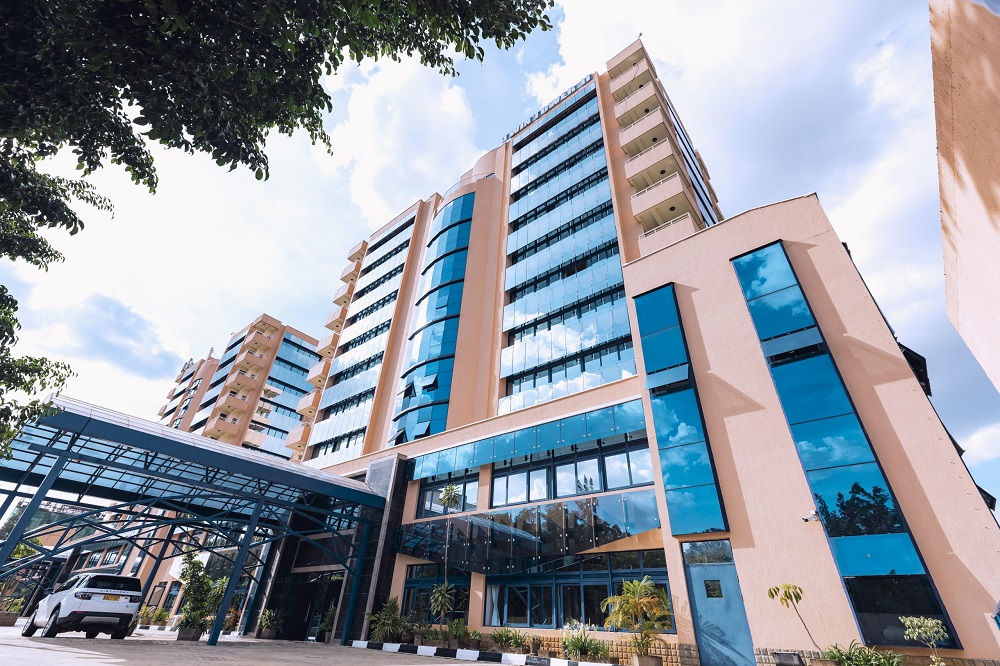



Kibuye Referral Hospital is undergoing major infrastructure upgrades and service improvements aimed at strengthening its capacity to provide quality healthcare as it transitions into a teaching hospital.
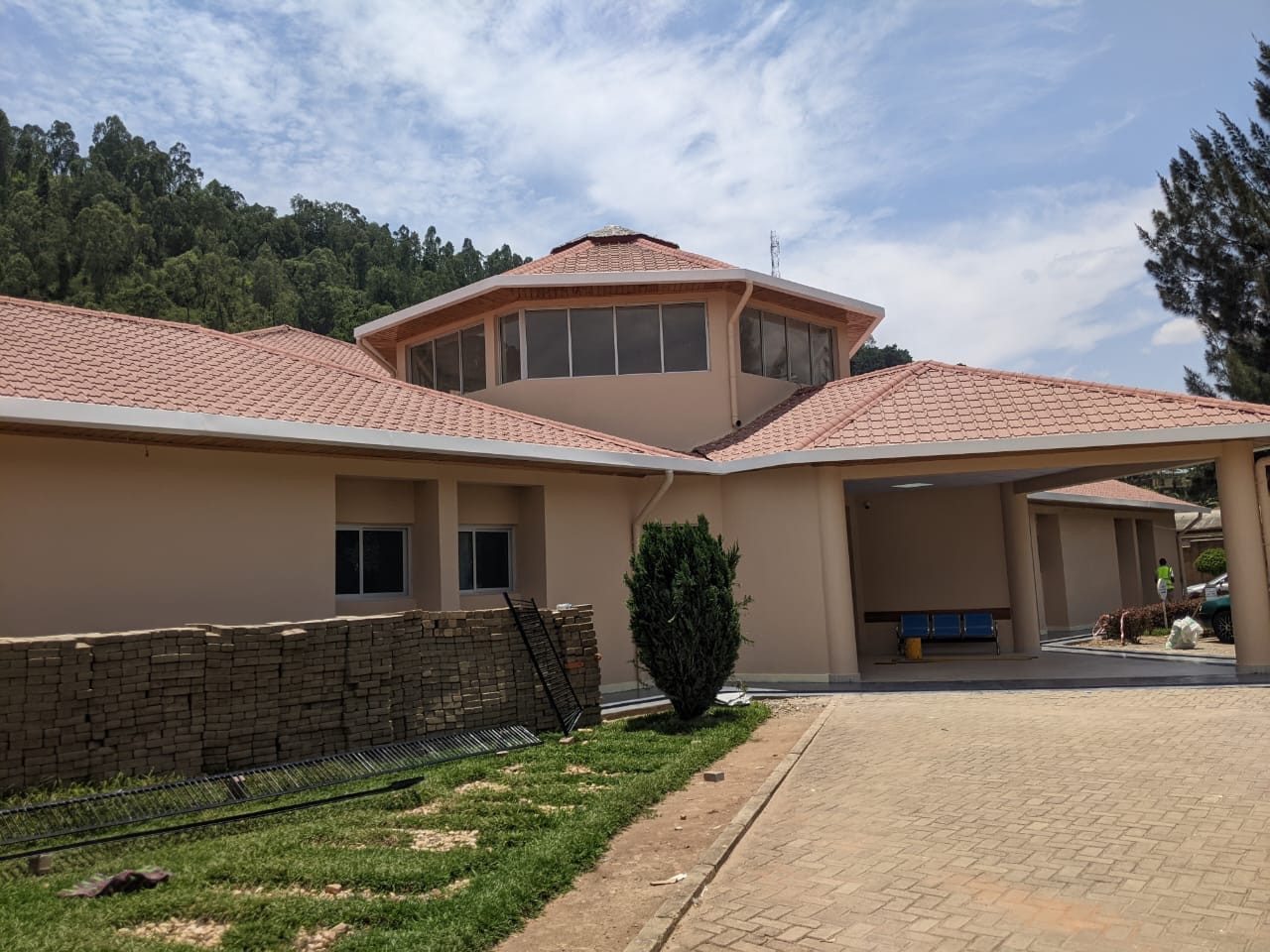
The hospital has constructed a new building and is renovating several existing facilities, with the works expected to improve the environment in which patients receive care and enable the hospital to expand its range of services.
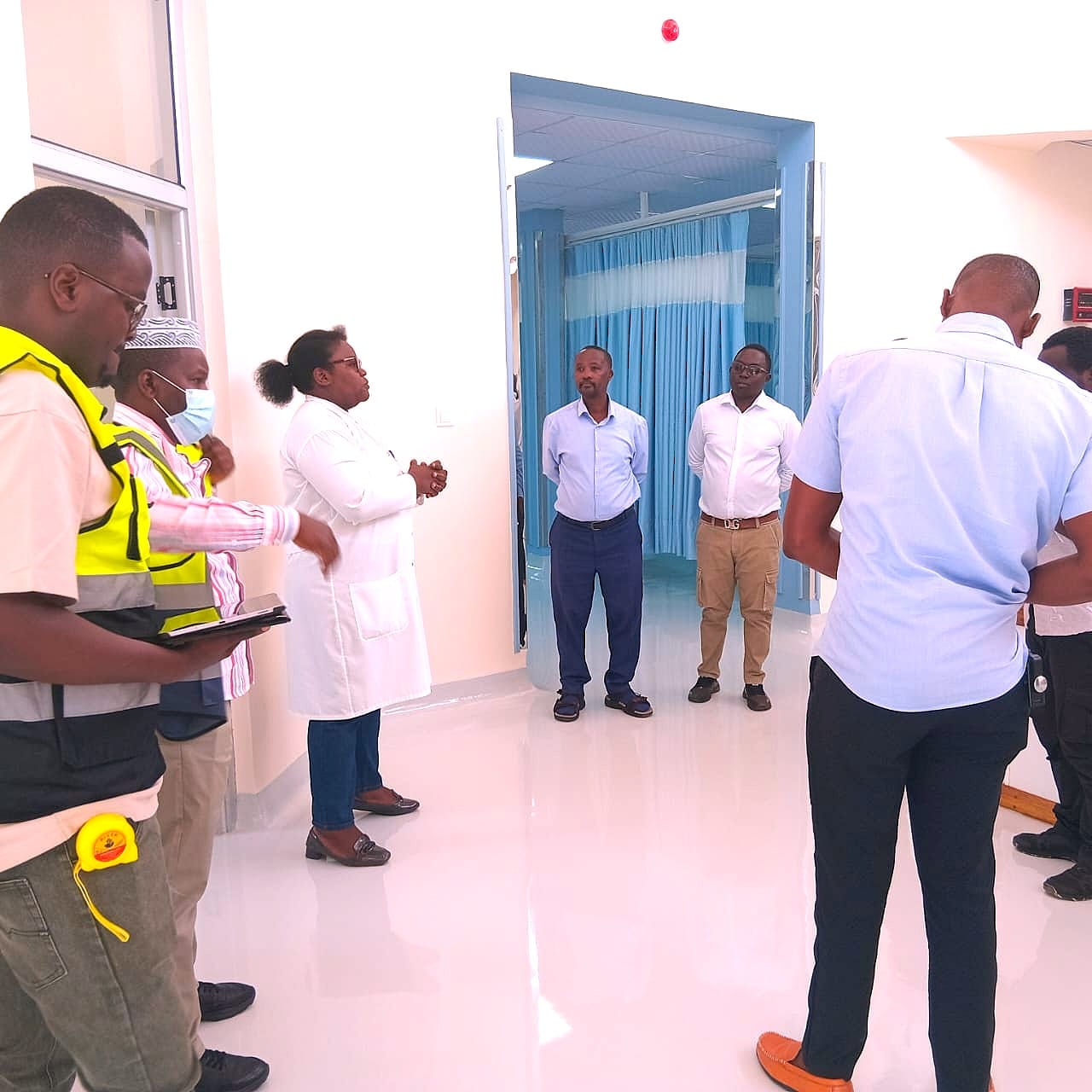
Speaking to journalists on Thursday, October 1, 2026, the Director General of Kibuye Referral Hospital, Dr Ayingeneye Violette, explained that the ongoing improvements are part of the hospital’s transformation following its designation as a teaching hospital.
Currently operating at the second level, the hospital is expected to advance to the first level within the next two years, enabling it to provide more specialised services comparable to those offered at King Faisal Hospital.
Since July this year, construction and renovation works have been carried out by Rock Hill Construction. The contractor was initially expected to complete the works in November, but accelerated the construction after observing that the works were affecting the delivery of some hospital services.
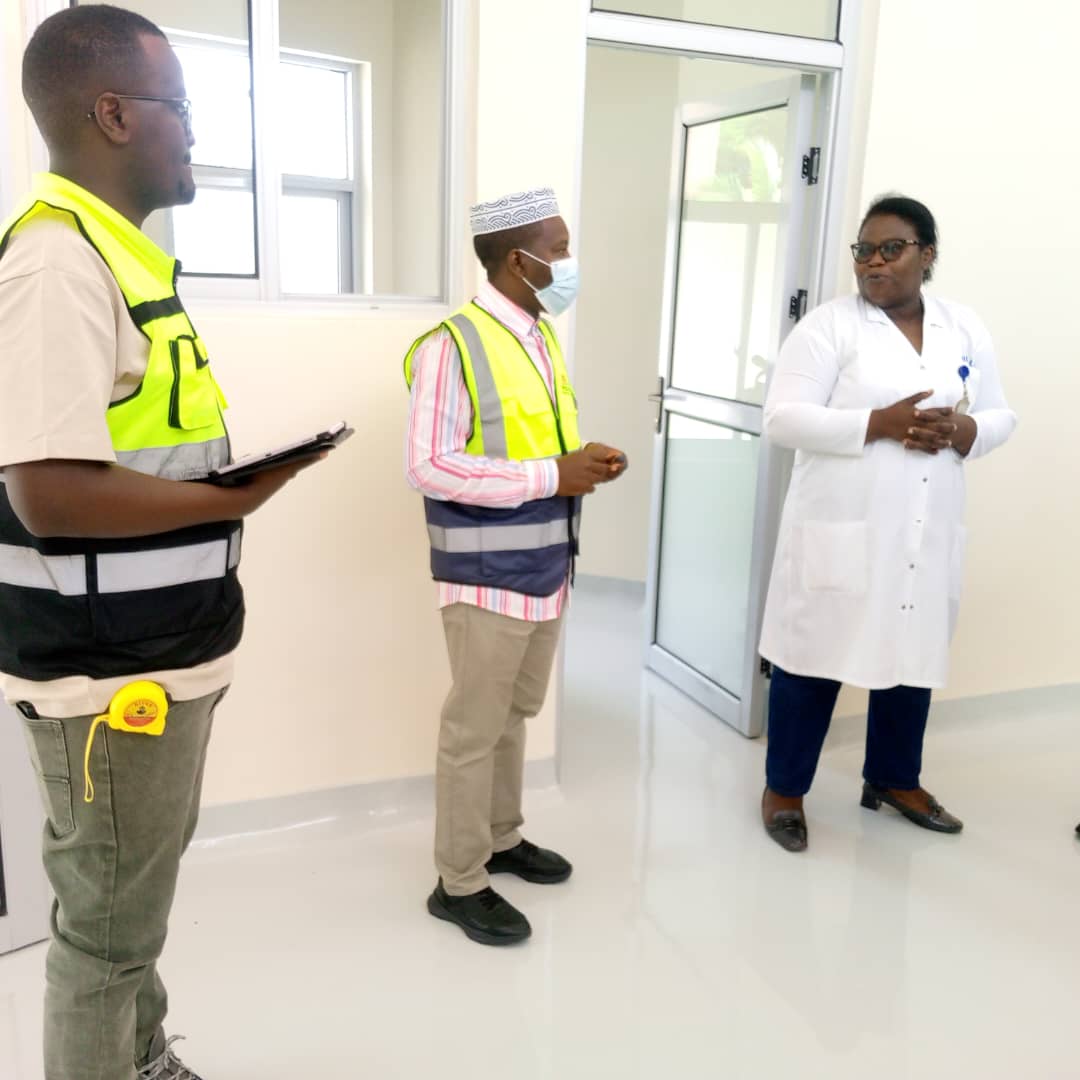
Hadji Asumani Twagirimana, who is supervising the construction works, said the contractor decided to speed up the work so that the renovated facilities could be handed over earlier than planned.
“We started the works in July and were expected to finish in November. However, because we saw that some hospital services were being affected by the construction works and that patients were facing difficulties, we accelerated the work. The works are now almost complete, and we are preparing to hand over the buildings so that they can start being used this month,” he said.
Dr Ayingeneye commended Rock Hill Construction for completing the works ahead of schedule and for making additional improvements beyond what had initially been included in the contract, including the construction of a building for patients who receive outpatient services.
She said the new facilities and equipment will help the hospital respond to the increasing demand for specialised healthcare services.
“These buildings will help us improve the services we currently provide, which have increased since we became a teaching hospital. We are also receiving new equipment that we previously did not have and which forced us to refer some patients to other hospitals,” Dr Ayingeneye said.
Among the improvements is an expansion of the Emergency Department, which has increased its bed capacity from six to 15 beds.
The hospital is also preparing to introduce a service that will support women who need pain-relief options during childbirth, a service that was previously unavailable at the facility. A blood dialysis machine is also expected to be installed, while each service department now has access to its own ultrasound machine.
Dr Ayingeneye said additional medical equipment is still being delivered as the hospital continues to build the capacity required of a teaching hospital.
She also thanked the Ministry of Health and King Faisal Hospital for supporting Kibuye Referral Hospital by providing specialist doctors and students undertaking practical training at the facility.
According to Dr Ayingeneye, the hospital currently has about 60 doctors, a number she considers sufficient for its current needs. However, the hospital still faces a shortage of nurses and midwives.
She explained that the number of nurses and midwives has not increased in line with the hospital’s transformation into a teaching hospital, despite a significant rise in the number of patients it receives.
“Normally, one doctor should work with two nurses, but this is not possible for us because we do not have enough nurses. We would like their number to be increased because of the large number of patients we receive,” she said.
The hospital received about 24,000 patients in 2024, while the number increased to approximately 45,000 last year, demonstrating the growing demand for its services.
Another challenge highlighted by the hospital management is the cost of ambulance services. The hospital spends more than Frw 5 million every month on ambulance services provided by insurance companies, while patients are charged Frw 400 per kilometre.
Dr Ayingeneye said the amount paid by patients does not adequately cover the cost of transporting them, creating a financial burden for the hospital.
She also announced measures being prepared to improve the welfare and working conditions of hospital staff. These include providing lunch to employees and introducing transport arrangements for staff who travel from areas such as Rubengera and Mubuga.
The ongoing infrastructure improvements, expansion of medical equipment and recruitment needs are expected to support Kibuye Referral Hospital’s transition into a stronger teaching and specialised healthcare institution serving patients from Karongi and neighbouring districts.
Gashonga Jean Claude