


By Gashonga Jean Claude
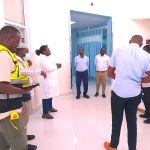
Medical specialists from the United Kingdom are providing medical consultations and treatment to couples experiencing infertility at Kibuye Referral Hospital in Karongi District, as part of an initiative aimed at helping patients identify and address the causes of infertility.
The specialists are visiting several hospitals across Rwanda, including Kibuye Referral Hospital, where they are examining both women and men facing difficulties conceiving. The initiative is supported by Rwanda Legacy of Hope, an organization founded by Pastor Ntavuka Osee, who lives in the United Kingdom and facilitates the specialists’ visits to Rwanda.
Pastor Ntavuka Osee said the initiative is his contribution to supporting the country of his birth by helping address health conditions that require specialized medical expertise.
“Every three months, we come to Rwanda with specialist doctors. As you can see, the people here are couples experiencing infertility. We work in several hospitals across the country, including CHUK, Rwamagana, CHUB, Kibagabaga, Huye, Kibuye and Musanze, where specialists in different medical fields provide services,” he said.
He explained that the specialists visiting Kibuye focus specifically on infertility-related conditions and that the current visit marks the fifth time they have provided services at the hospital.
“We have seen people who had been unable to have children for many years. Some of them have later called us to share good news. Recently, one person who had received our services called to tell us that she had given birth to her second child,” Pastor Osee said.
He added that the initiative goes beyond treating patients. The visiting specialists also train Rwandan medical students and health professionals so that they can continue providing specialized infertility care after the international teams leave.
“When we come to these hospitals, we bring medical equipment and medicines, and when we finish, we leave them at the hospitals so that they can continue using them,” he explained.
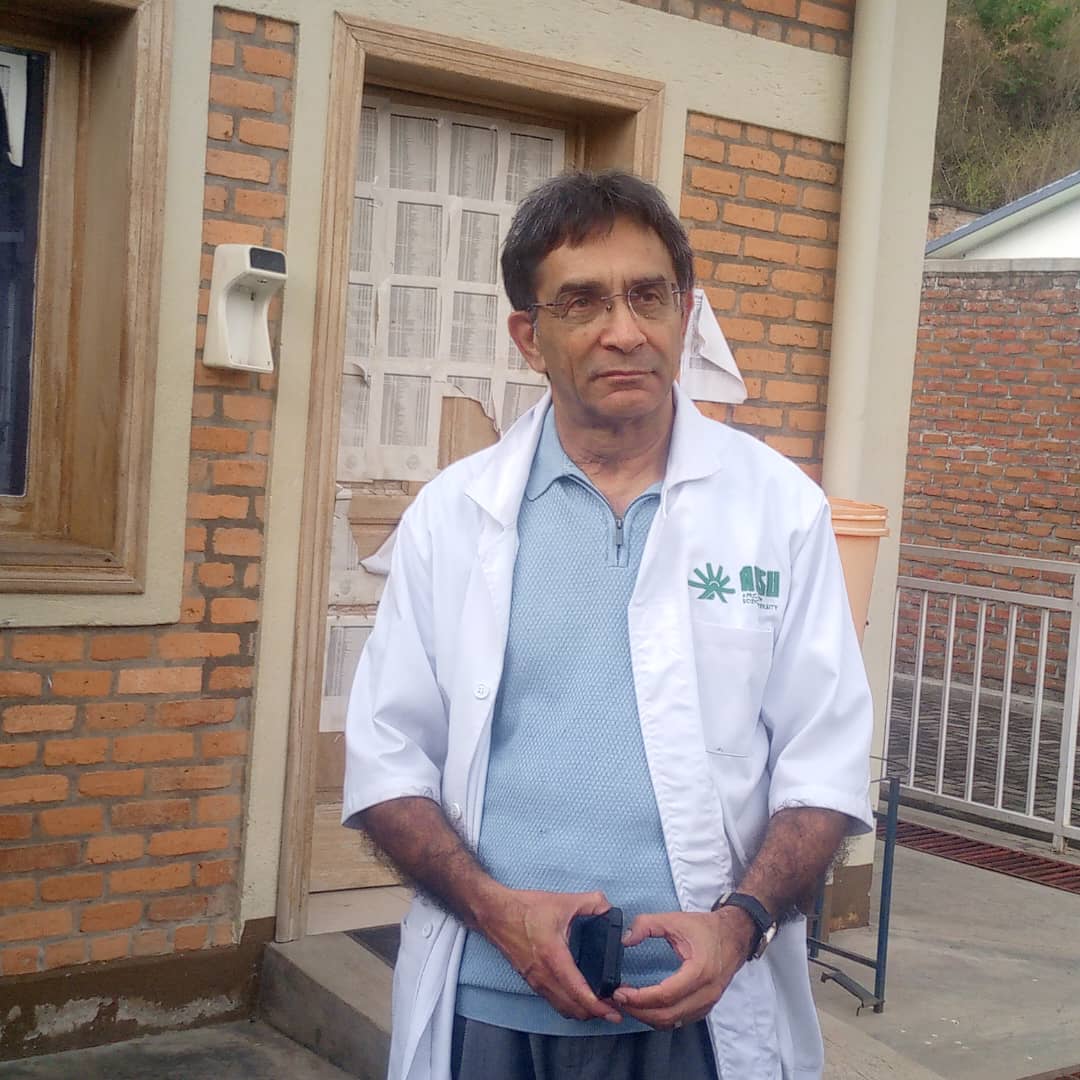
One of the visiting specialists, Dr. Charles, told The Source Post that examinations conducted so far have shown that many cases of infertility are associated with conditions affecting women.
“Among the patients we have examined, we have found that many of the infertility cases are related to women. Some of the causes include complications resulting from untreated or delayed treatment of genital infections,” he said.
According to Dr. Charles, some patients can be helped through medical treatment or surgery, after which they may have an opportunity to conceive. However, he noted that treatment is not possible in every case, particularly where patients have reached an age at which pregnancy is no longer possible.
He also emphasized the importance of building the capacity of Rwandan health professionals.
“Another important part of what we are doing is training doctors in Rwanda so that they can develop the skills needed to diagnose and treat infertility-related conditions,” Dr. Charles said.
Murengezi Olivier, a university student undertaking practical training in gynecology, said the experience is providing him and other trainees with valuable knowledge.
“We are learning many different things from the specialists. One of the conditions we have seen frequently involves people who are experiencing infertility before reaching menopause, due to different causes. We are also learning how to advise and manage such patients so that they can have a better chance of having children,” he said.
Olivier added that the knowledge gained from the visiting specialists will remain useful even after their departure.
“These specialists will leave us with knowledge and skills that we can continue using to support people experiencing infertility. As you can see, there are many people facing this problem, so it is important that we continue building our capacity to help them,” he said.
The partnership therefore combines patient care, specialized treatment, medical equipment and professional training, with the aim of strengthening Rwanda’s capacity to diagnose and manage infertility while providing specialized services to couples who need them.