


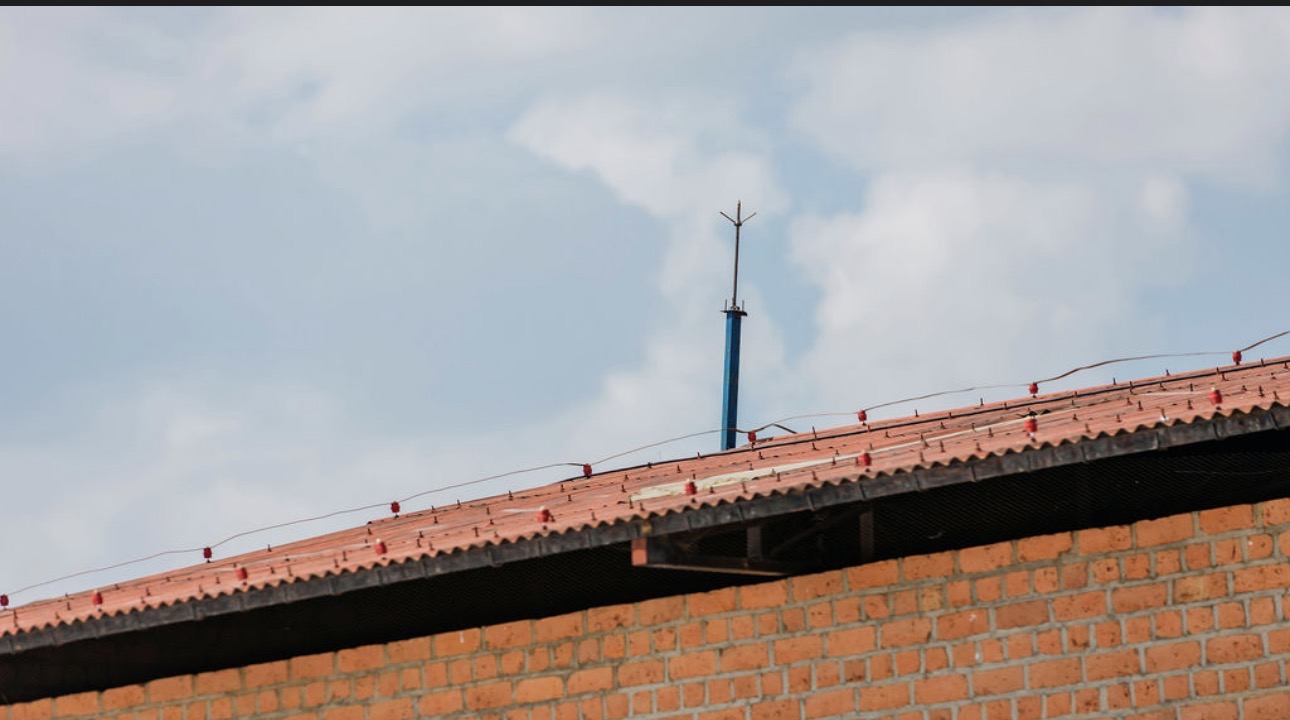
Karongi District has officially inaugurated a modern lightning protection system and a dedicated lightning shelter at GS Musango in Rwakuba Sector, marking a significant milestone in efforts to protect students, teachers, and surrounding communities from lightning-related disasters.
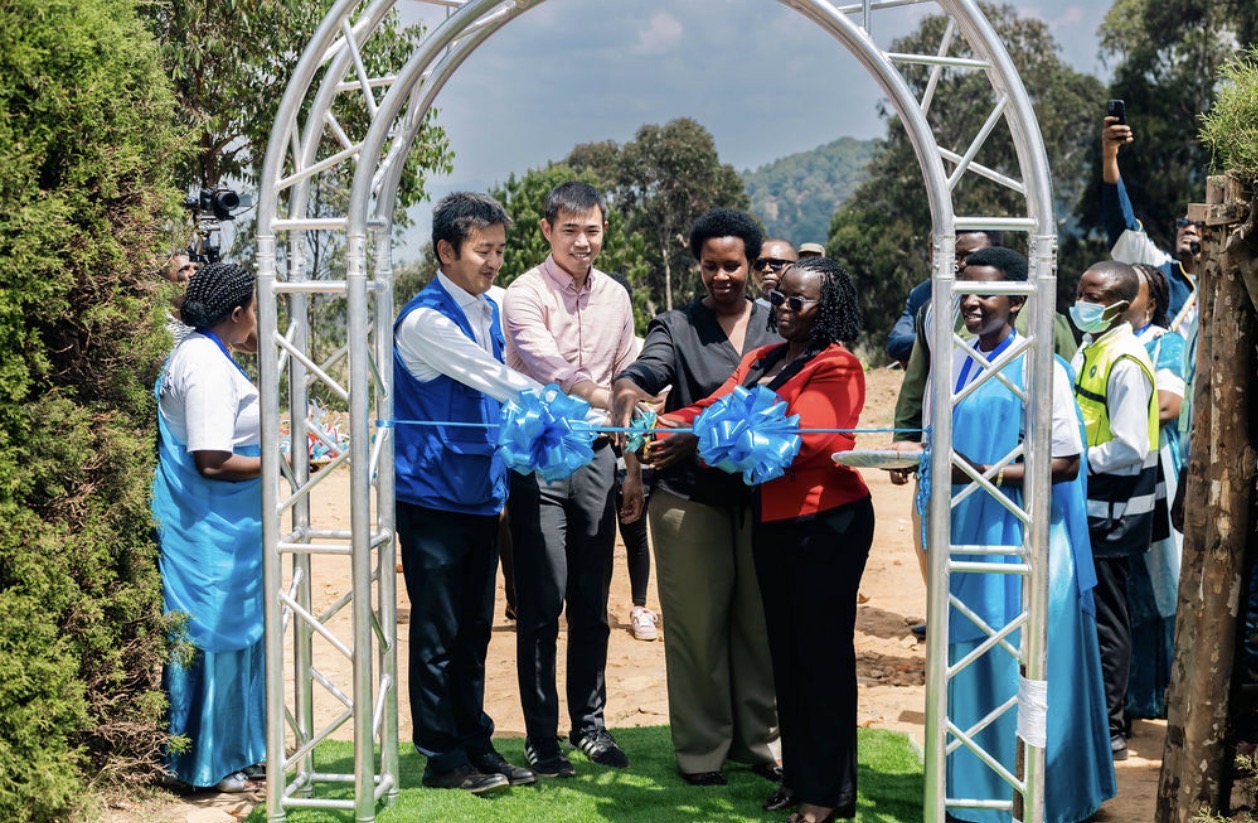
The project was implemented through a partnership between the Embassy of the Republic of Japan in Rwanda, the International Organization for Migration (IOM), the Ministry in Charge of Emergency Management (MINEMA), and Karongi District.
Speaking during the inauguration ceremony, Ms. Julienne Ntakirutimana, Vice Mayor of Karongi District in charge of Economic Development, expressed gratitude to all partners for investing in disaster prevention in one of Rwanda’s most disaster-prone regions.
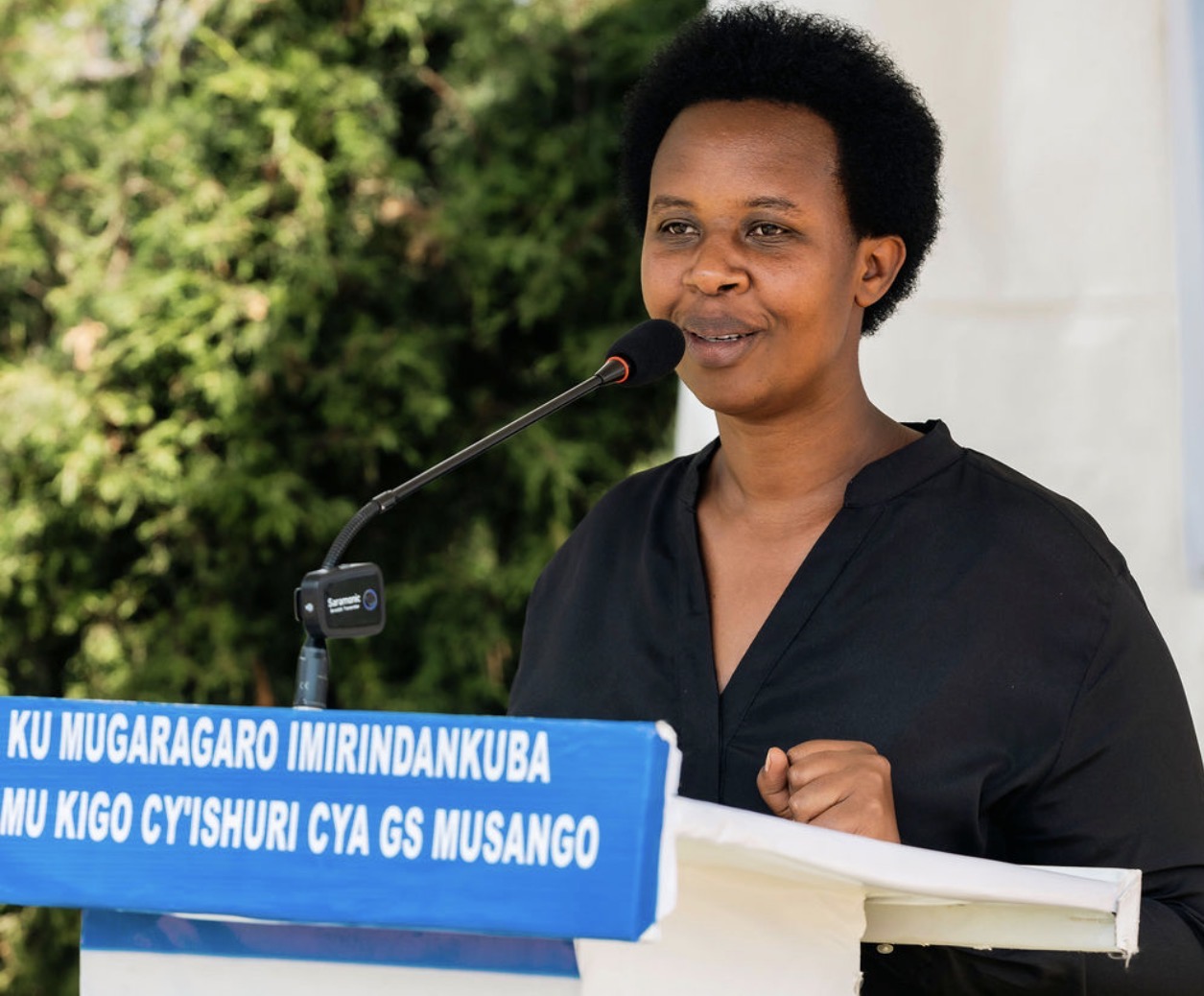
“We sincerely thank all our partners for supporting this important initiative. Karongi is among the districts frequently affected by natural disasters, including lightning, due to its mountainous terrain. The fact that this project has been implemented in Rwakuba is particularly meaningful—the name itself reflects the area’s long association with lightning. From today, students at GS Musango will be able to study in a safer environment without fear of lightning strikes, while valuable educational equipment such as computers will also be protected from damage,” she said.
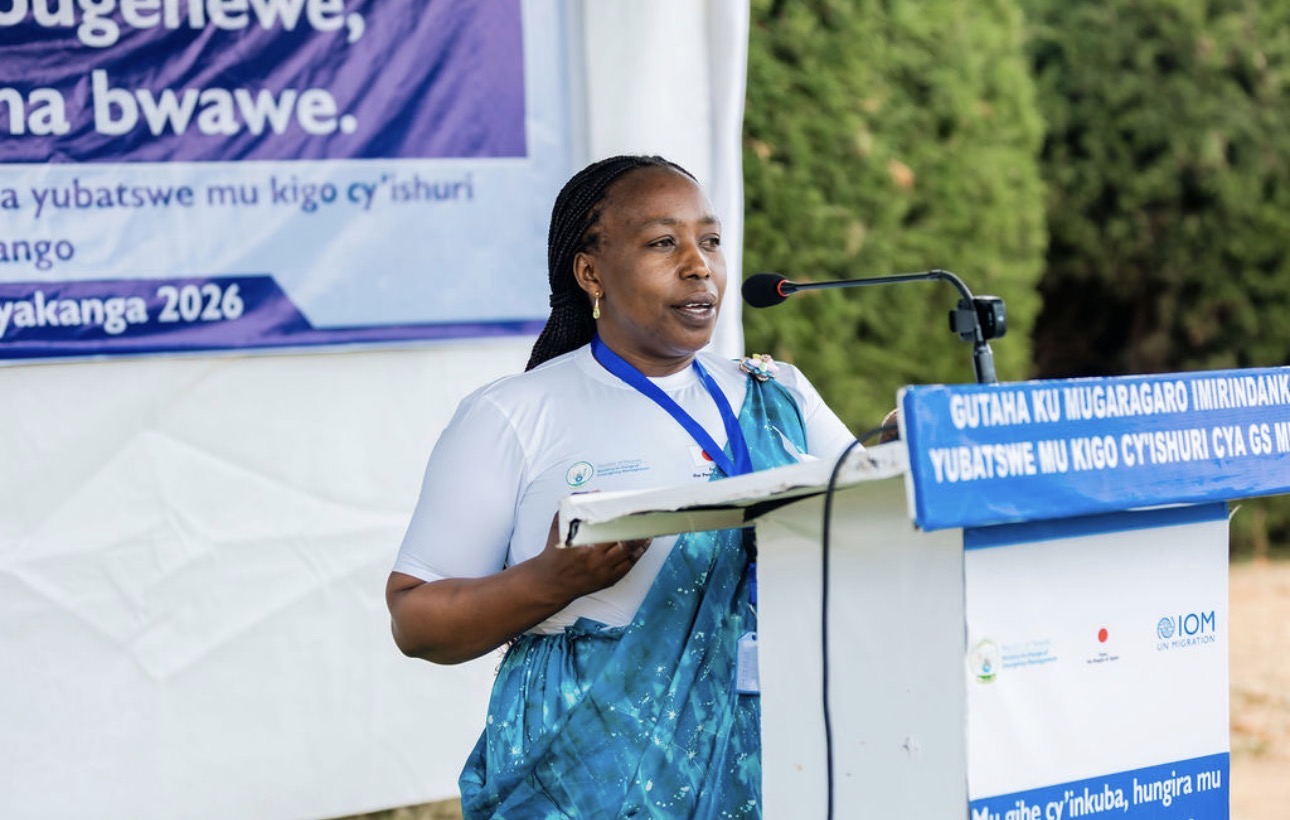
The Head Teacher of GS Musango, Marie Rose Kampundu, welcomed the installation, noting that the school has suffered repeated losses from lightning strikes over the years.
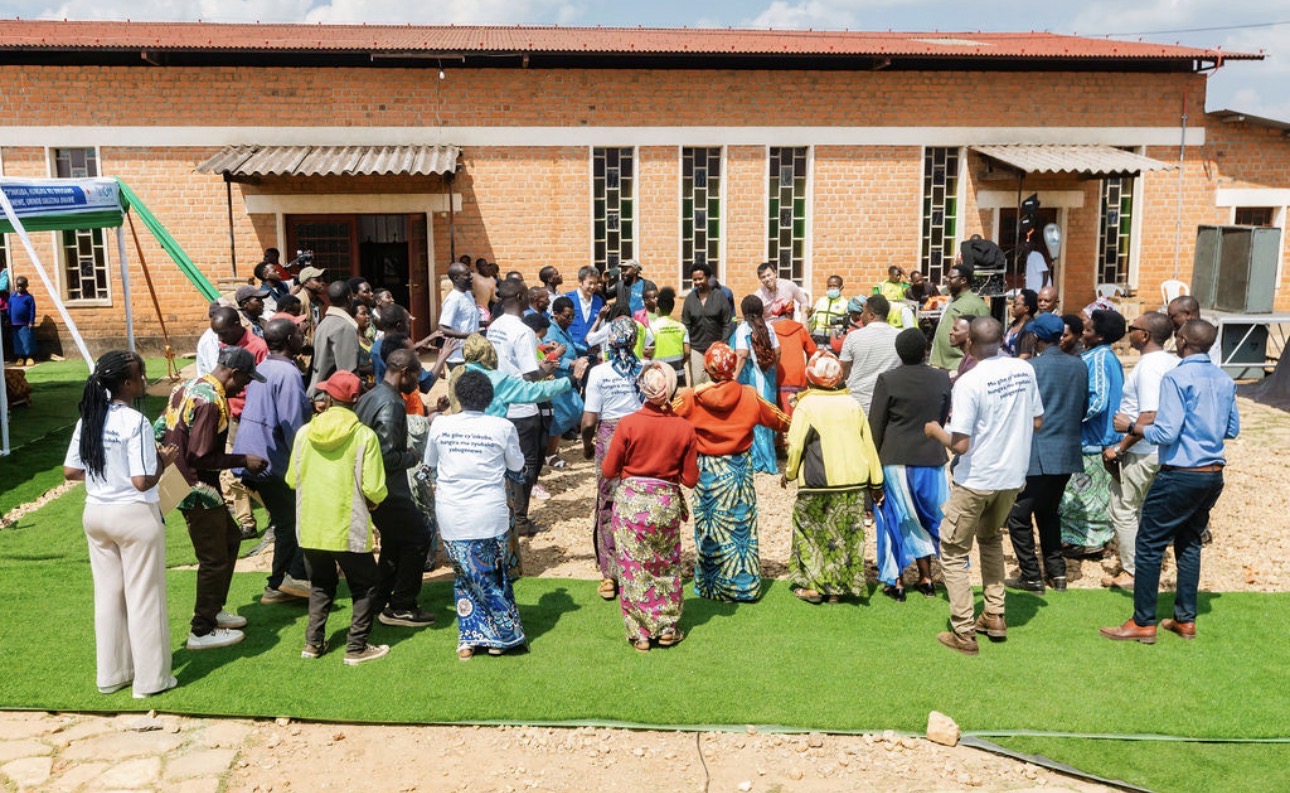
“This is a day of great joy for our school. Lightning has frequently damaged our electronic equipment, interrupting technology-based learning and affecting students’ education. This protection system will safeguard our facilities, allowing children to learn in a safe environment without fear. Beyond benefiting the school, the surrounding community will also be protected and able to carry out their daily activities with greater peace of mind.”
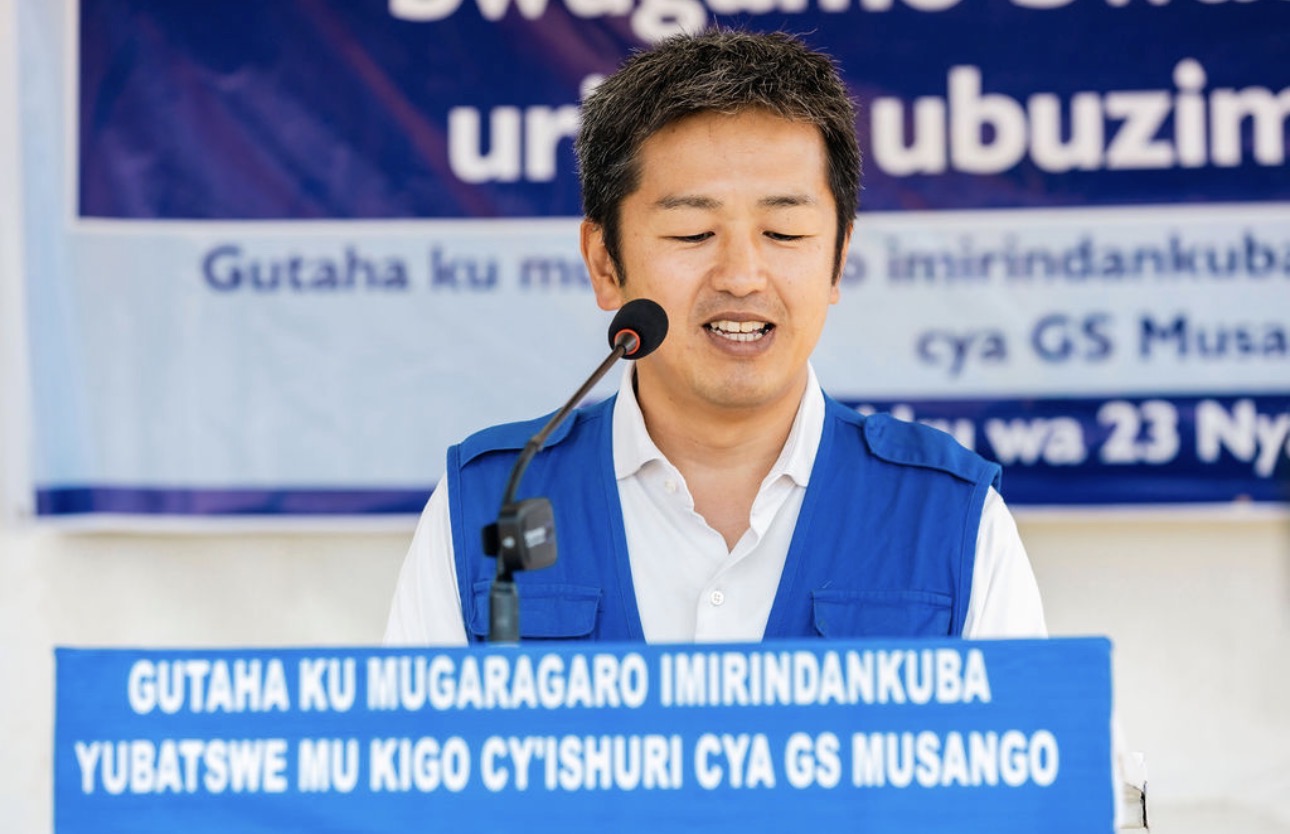
Representing IOM, Ujikawa Takashi, the Project Manager described the inauguration as an important achievement in collaborative disaster risk reduction.
“Today marks an important milestone in our partnership with the Embassy of the Republic of Korea, MINEMA, Karongi District, and GS Musango. As an organization working to reduce displacement, we believe that protecting communities from disasters helps people remain safely in their homes instead of being forced to relocate. This project demonstrates the power of partnership in building resilient communities. We encourage the school and local residents to protect and maintain this infrastructure so that it continues to serve future generations.”
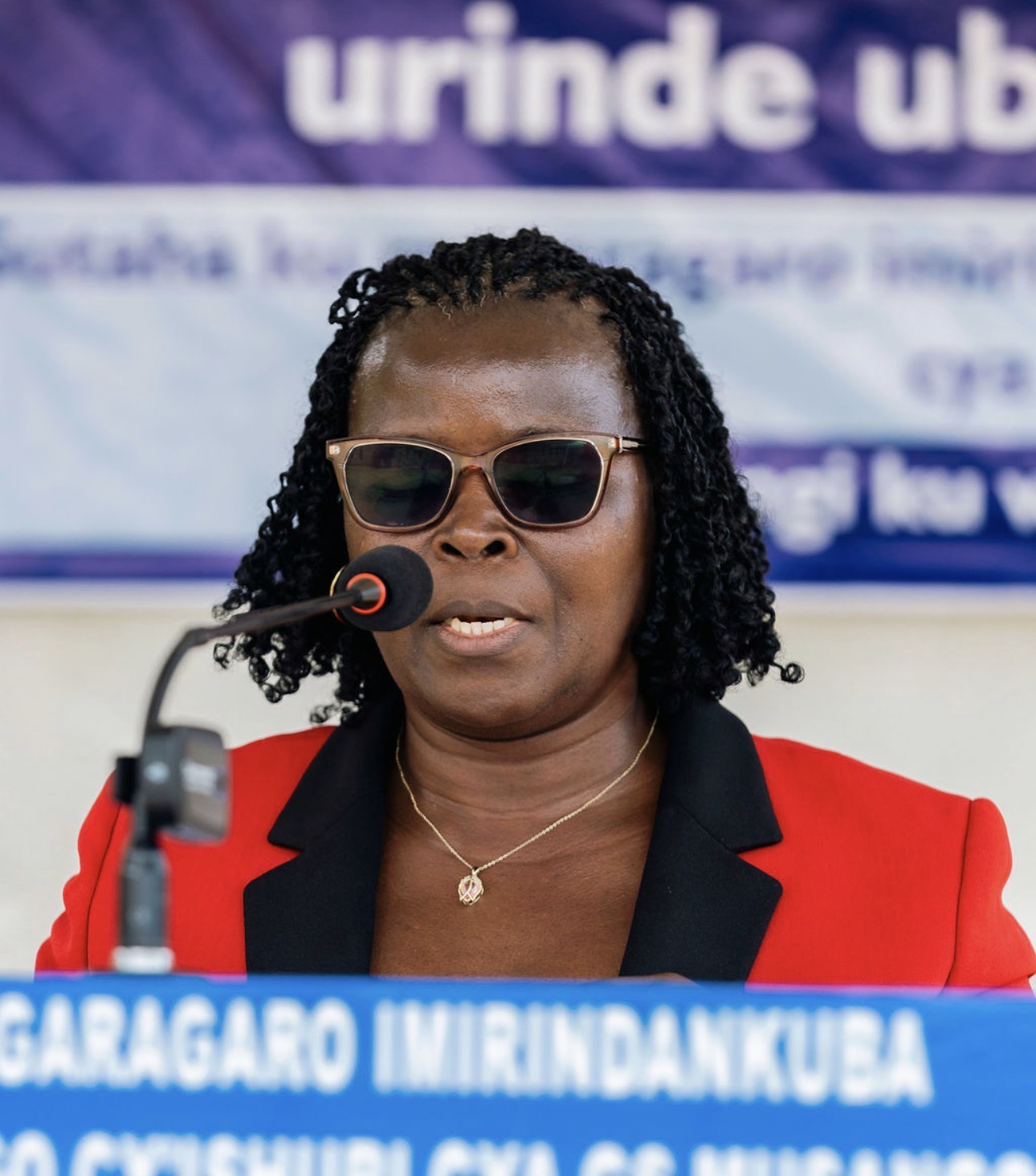
Speaking on behalf of MINEMA, Christine Hitimana Niyotwambaza, Director General responsible for Disaster Risk Reduction and Preparedness, highlighted the Government of Rwanda’s continued investment in disaster prevention, particularly in the Western and Northern Provinces.
“MINEMA has made significant investments in preventing disasters in high-risk areas that are frequently affected by hazards such as lightning. Many vulnerable households have already been relocated to safer places, while lightning protection systems are being installed in locations where large numbers of people gather, including schools. We are also exploring ways to manufacture lightning protection equipment locally to reduce costs and expand access.”
She further revealed that approximately US$161,000 has been allocated for lightning protection interventions in Karongi District, with 100 high-risk sites identified for installation. Similar initiatives are also underway in Nyabihu and Burera districts.
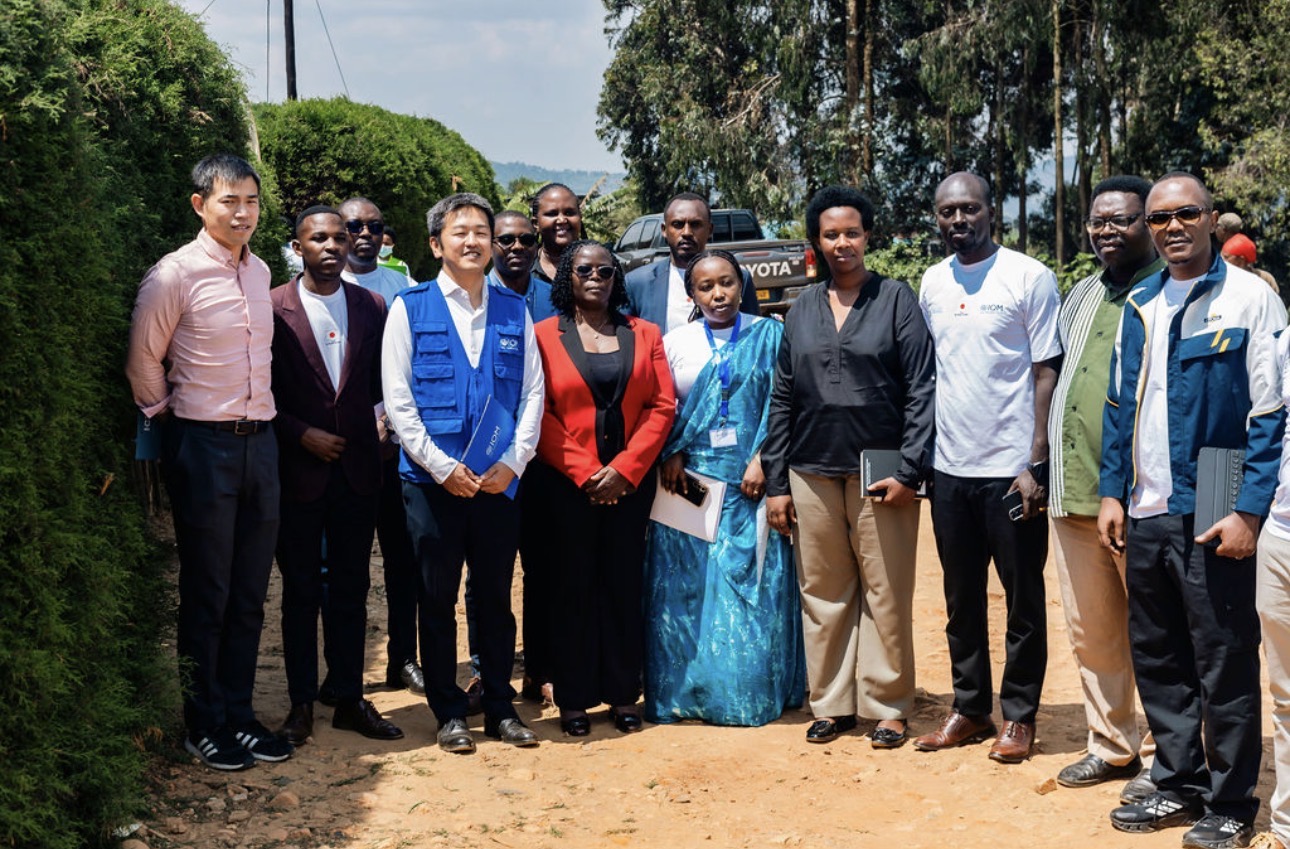
Authorities also reminded residents to observe safety measures during thunderstorms. People caught outdoors during intense lightning are advised to seek immediate shelter in the designated lightning protection facility at Musango Parish. If no shelter is nearby, they should crouch low with their feet together and wait until the storm has passed before continuing their journey.
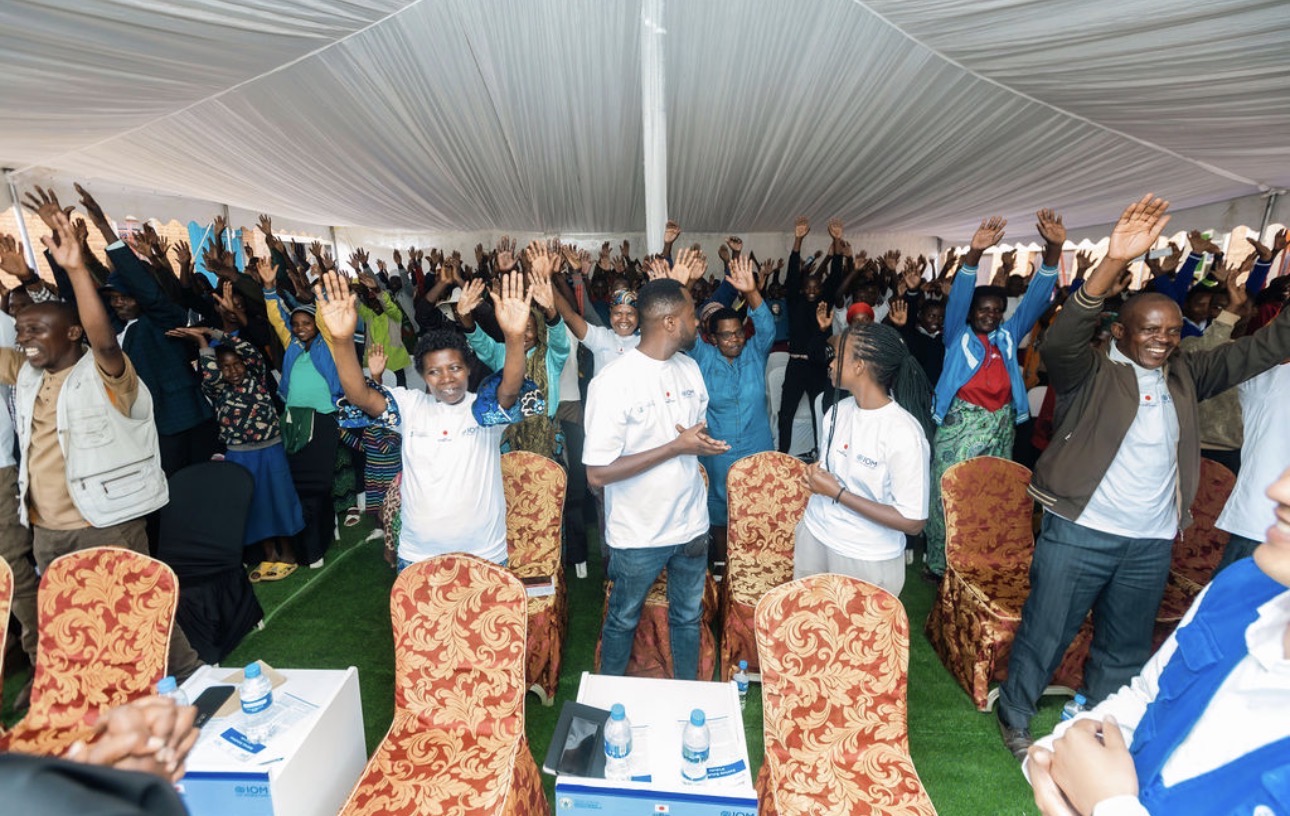
The inauguration reflects Rwanda’s growing commitment to strengthening disaster resilience through partnerships that protect lives, improve learning environments, and build safer communities in areas most vulnerable to natural hazards.
Gashonga Jean Claude


