




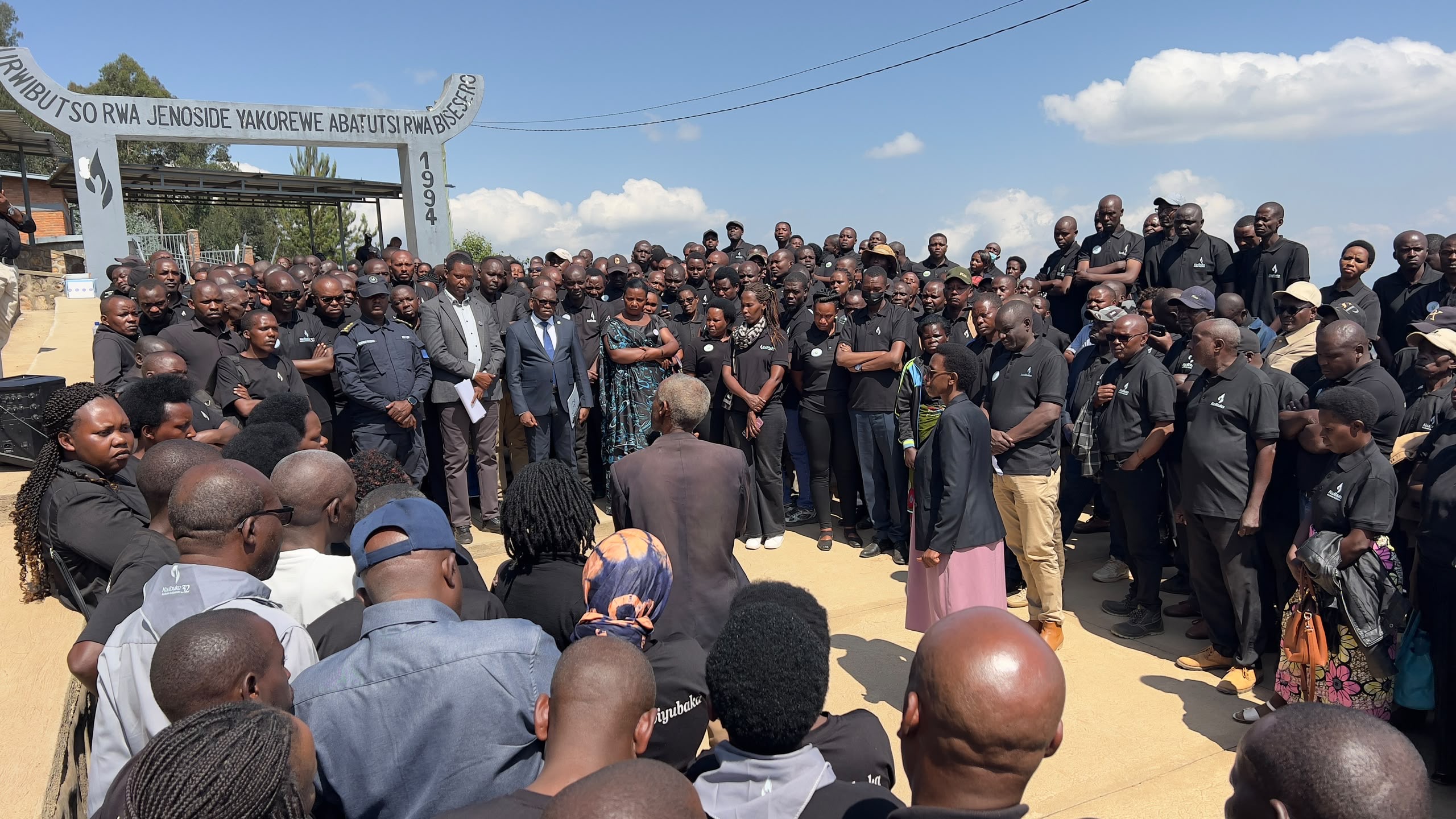
More than six million Rwandans affiliated with cooperatives across the country are set to receive education on the history of the 1994 Genocide against the Tutsi, the dangers of genocide denial and minimization, and the fight against genocide ideology, following a major commemorative and educational initiative launched at the Bisesero Genocide Memorial Site in Karongi District.
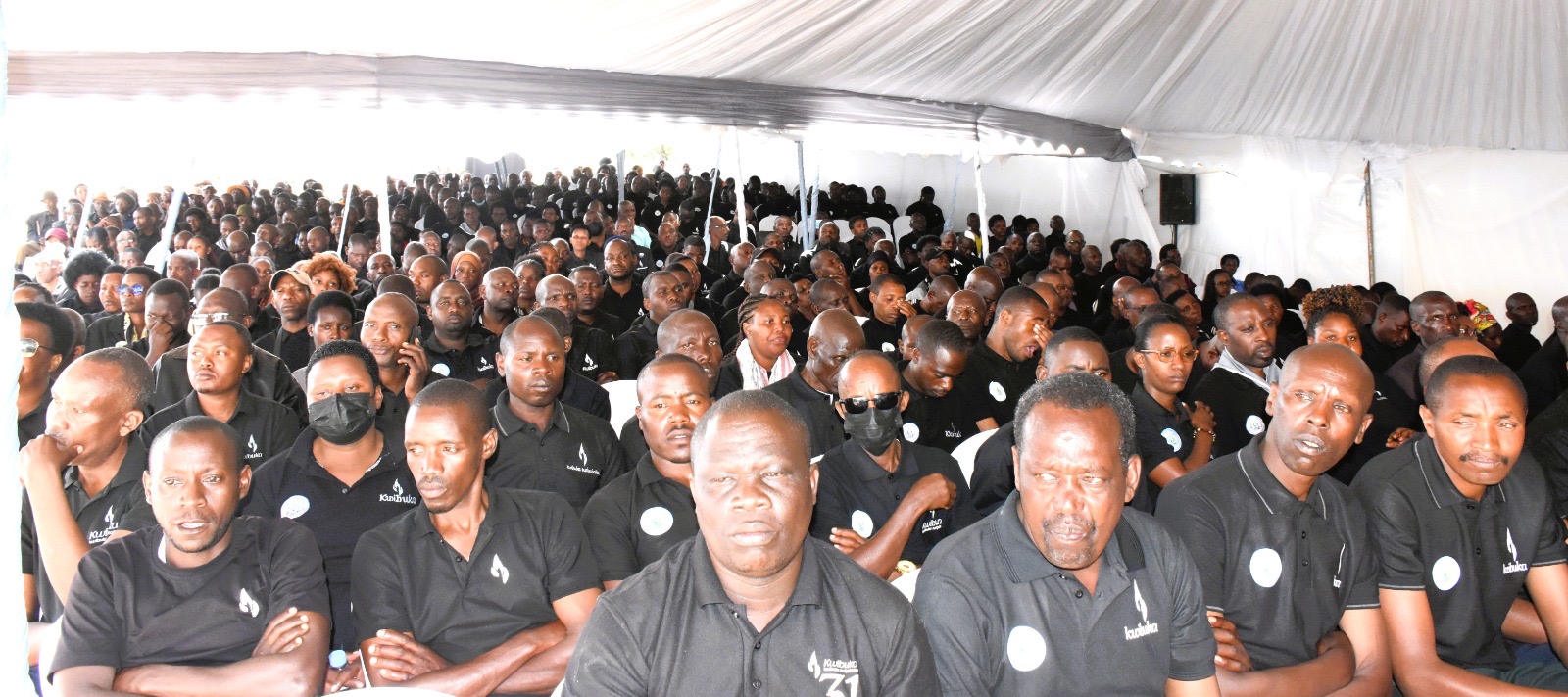
The initiative was announced during a visit by over 1,020 representatives of the National Cooperatives Confederation of Rwanda (NCCR), who gathered at the Bisesero Memorial Site as part of the 32nd commemoration of the 1994 Genocide against the Tutsi. The delegates, drawn from all districts and cooperative sectors across Rwanda, were tasked with carrying lessons learned at Bisesero back to their respective communities and organizations.
The Bisesero Memorial Site, where more than 60,000 victims of the Genocide against the Tutsi are laid to rest, stands as a symbol of extraordinary resistance and resilience. During the genocide, Tutsi residents of Bisesero, then part of Rwamatamu Commune in the former Kibuye Prefecture, mounted an unprecedented self-defense effort against attacks by government forces, gendarmes, police officers, and Interahamwe militias. Their resistance, inspired by the leadership of Aminadab Birara, enabled some survivors to escape extermination despite overwhelming odds.
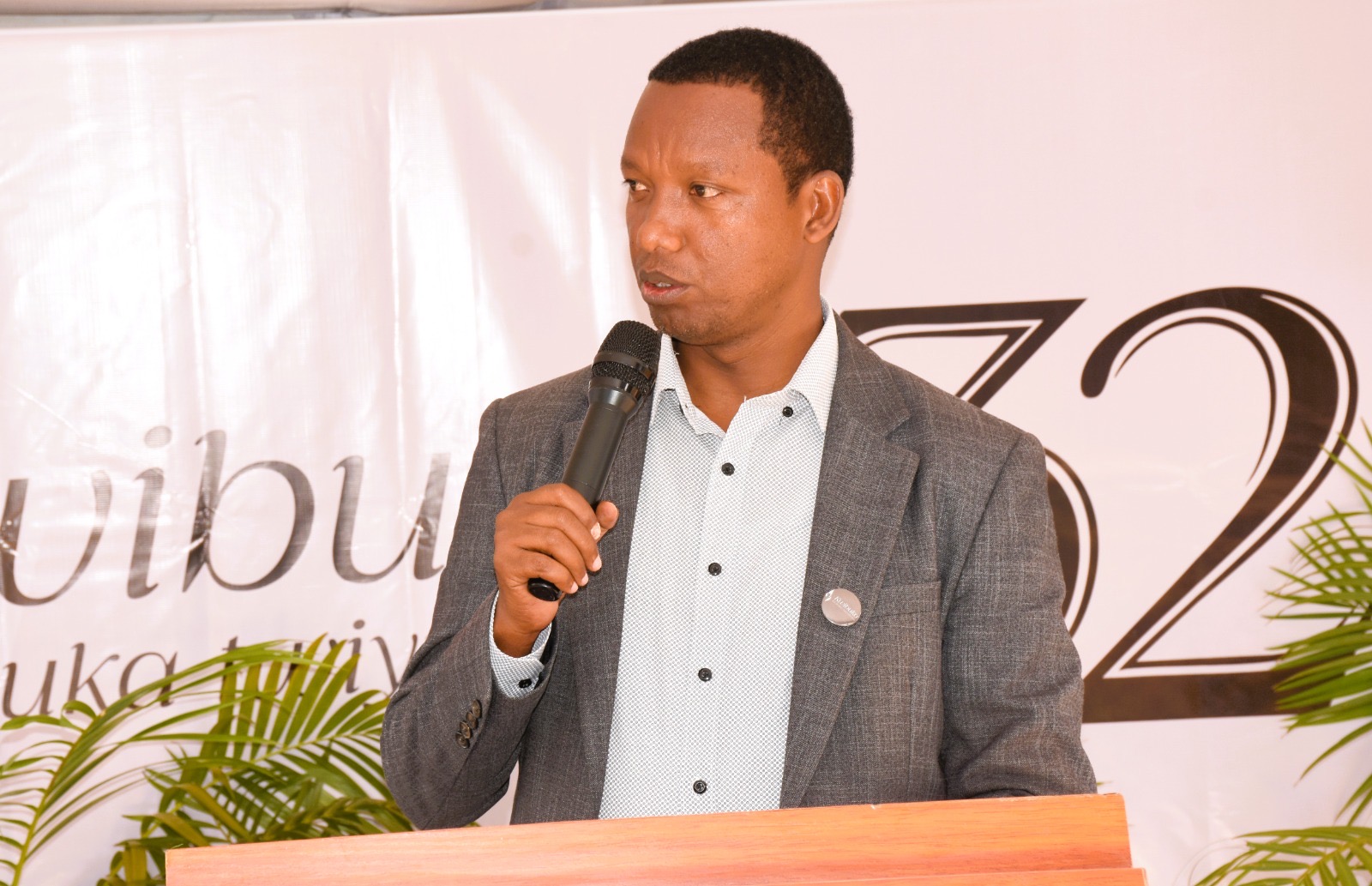
Speaking at the memorial, NCCR President Médiatrice Nyirabahinyuza said the visit aimed to deepen members’ understanding of Rwanda’s history while promoting values of unity, courage, and responsible leadership.
“We came here to join all Rwandans in commemorating the Genocide against the Tutsi and to learn from the heroic history of Bisesero,” she said. “The delegates present today are representatives of millions of cooperative members. They have come to learn about unity, resilience, self-reliance, and the consequences of bad leadership.”
She emphasized that the lessons from Bisesero would be shared widely through Rwanda’s cooperative movement, which reaches more than six million members nationwide.
“Out of Rwanda’s population of around 14 million people, more than six million belong to cooperatives. The 1,020 delegates gathered here represent every district and every cooperative sector. They will return home with a message of unity, problem-solving, and vigilance against genocide ideology,” she added.
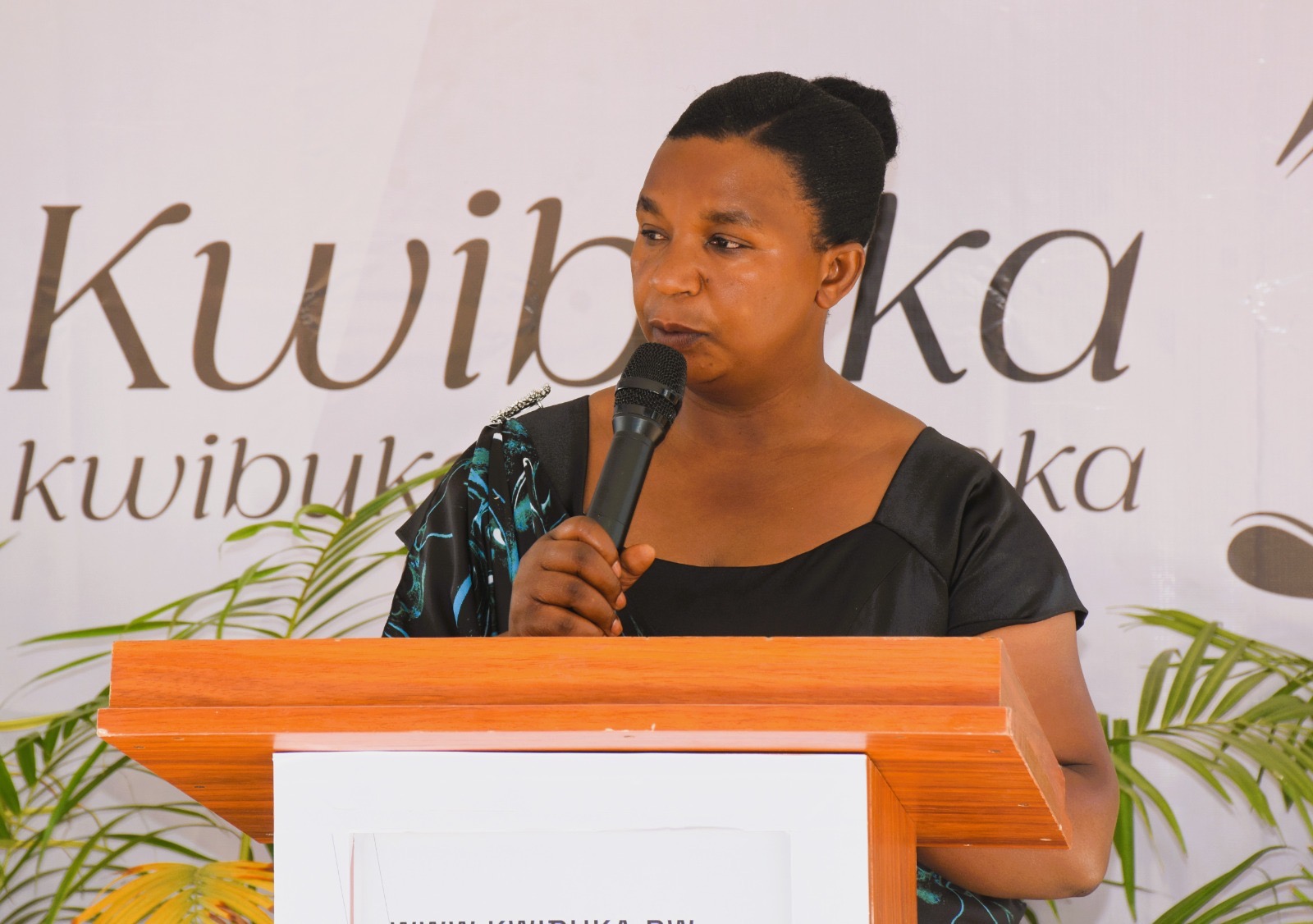
Nyirabahinyuza stressed that cooperative leaders have a responsibility not only to condemn genocide ideology but also to help transform those who may be influenced by divisive narratives.
“We will oppose anyone who promotes genocide ideology, but we are also educators. If someone shows signs of such thinking, we will work to guide them back to the right path and reintegrate them into society,” she said.
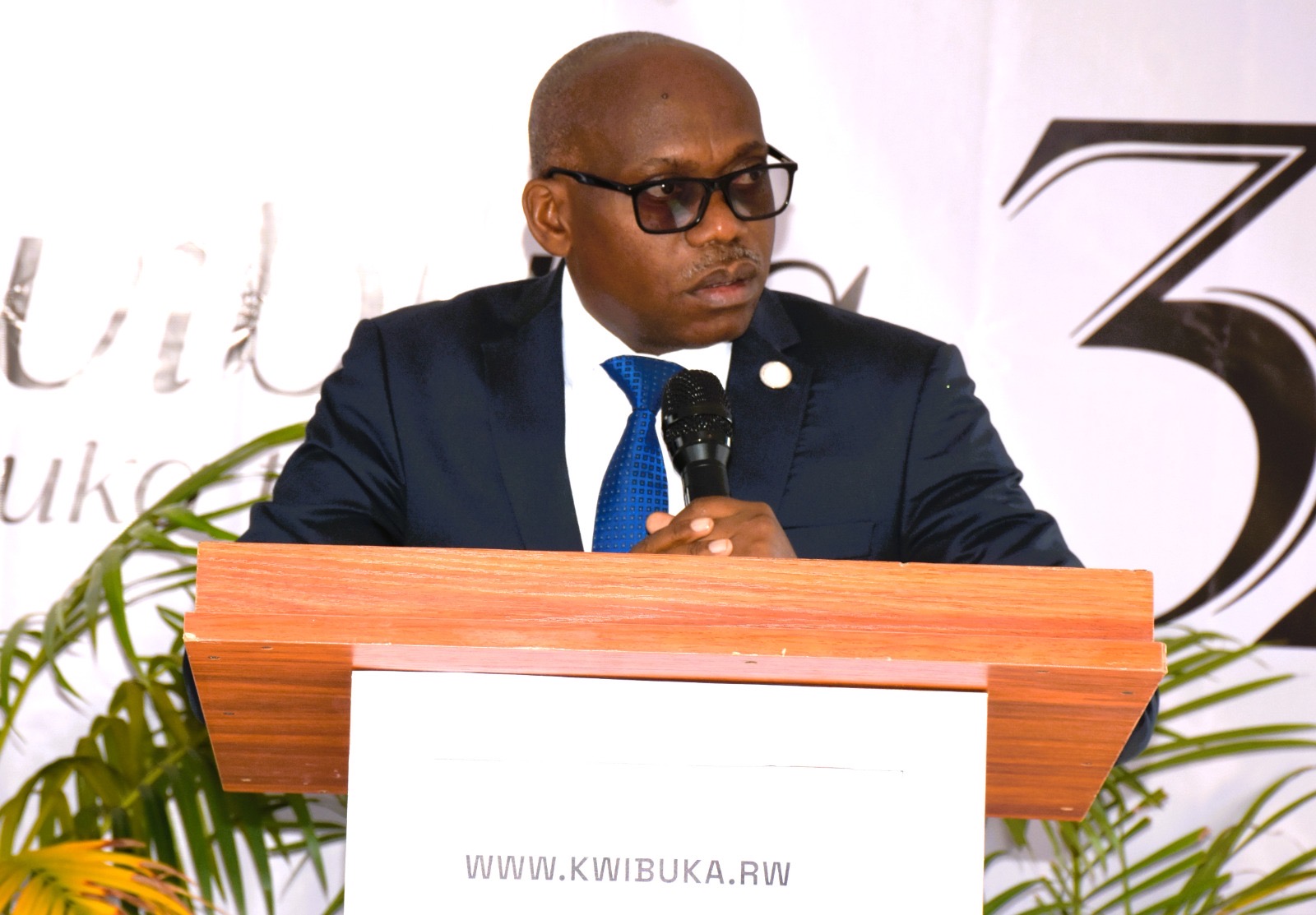
The President of Ibuka in Karongi District, Vedaste Ngarambe, commended the NCCR delegation, noting that it was the largest group ever to visit the Bisesero Memorial Site together.
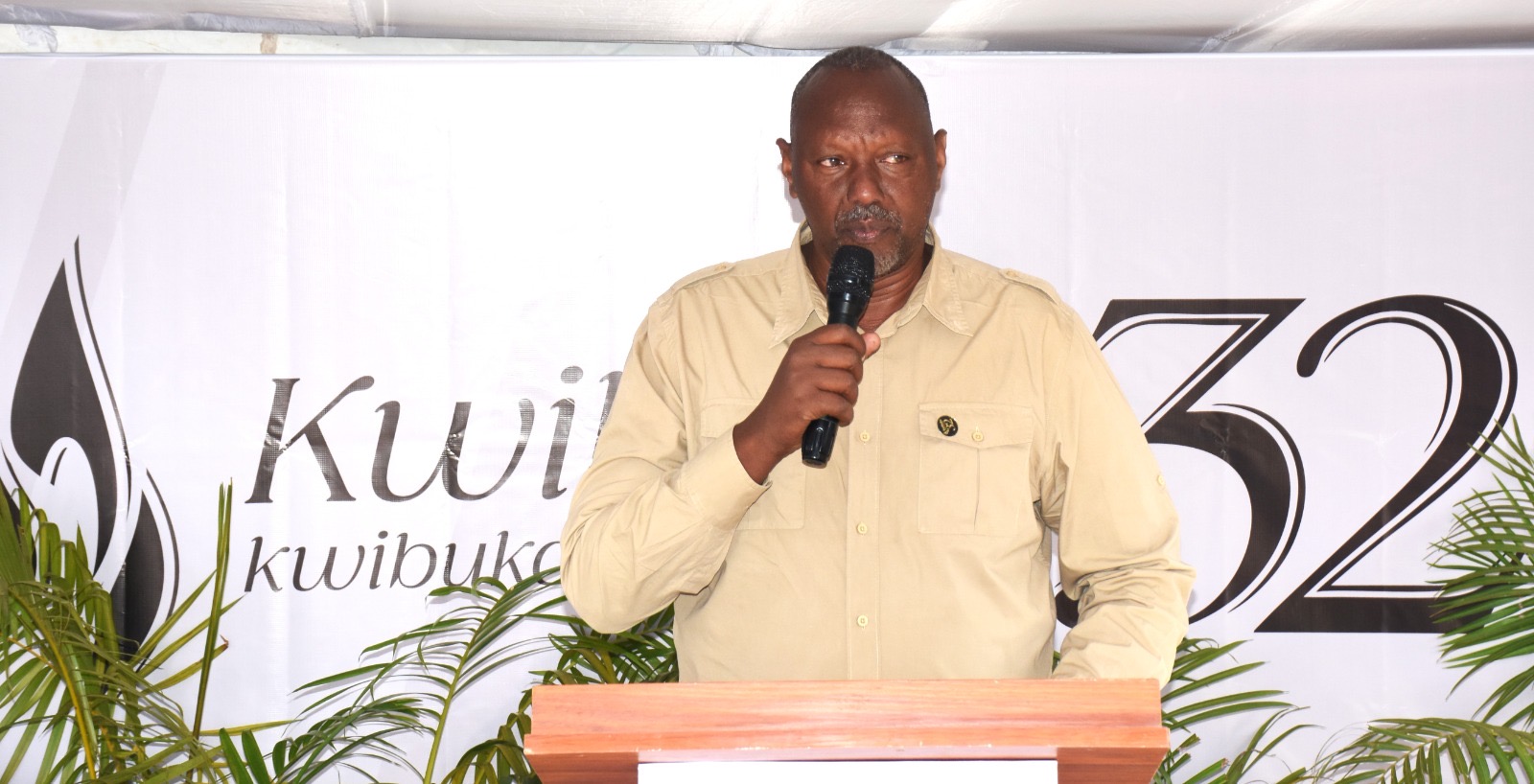
“This remarkable turnout demonstrates the value they attach to remembrance and genocide prevention,” he said. “We expect these leaders to become ambassadors of unity, resilience, and truth, while actively rejecting divisionism, genocide denial, minimization, and genocide ideology.”
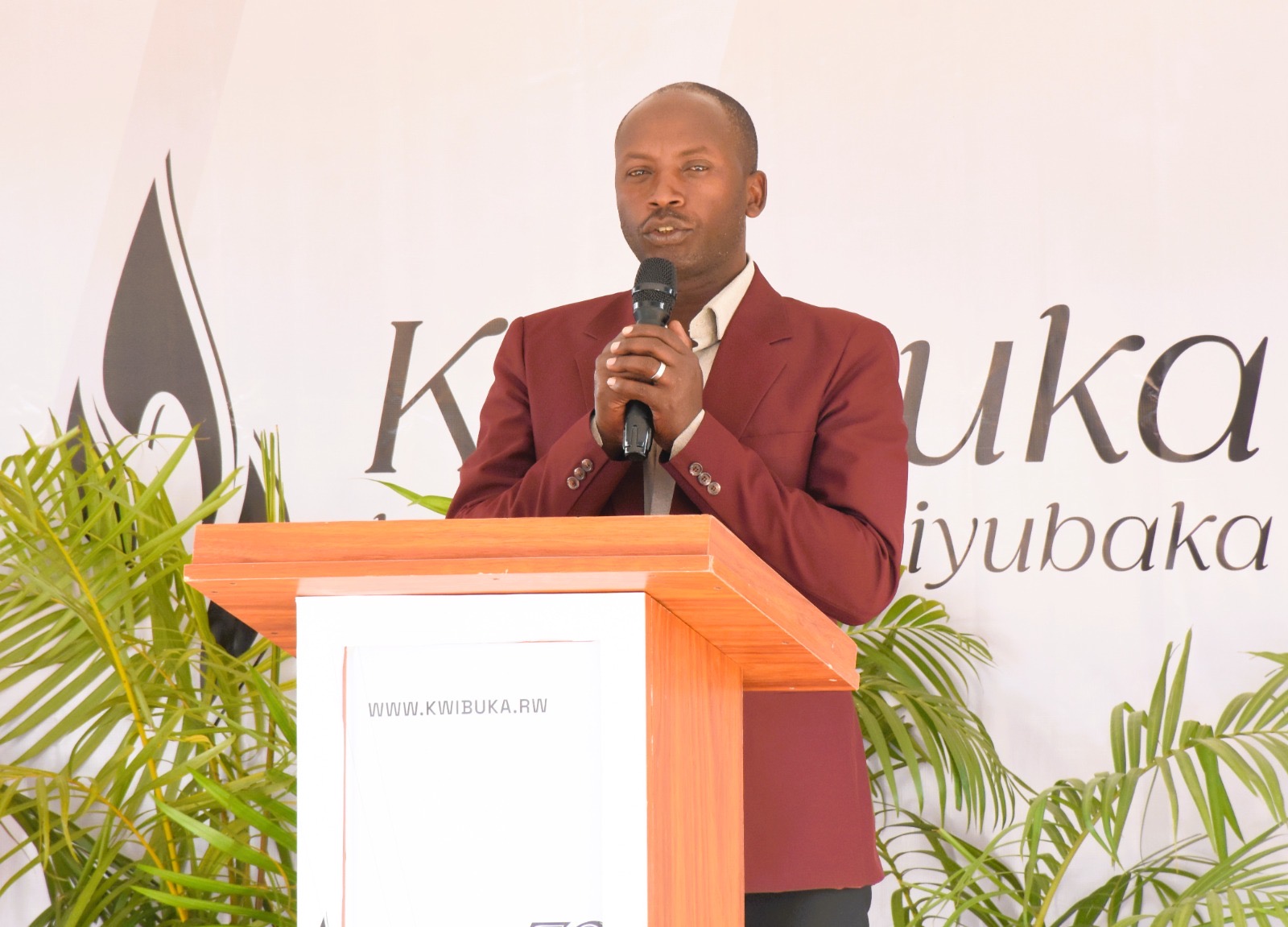
During the event, Western Province Governor Jean Bosco Ntibitura, Karongi District Mayor Gerald Muzungu, and Ibuka Karongi President Vedaste Ngarambe urged cooperative leaders to take a leading role in combating genocide denial and ideology.
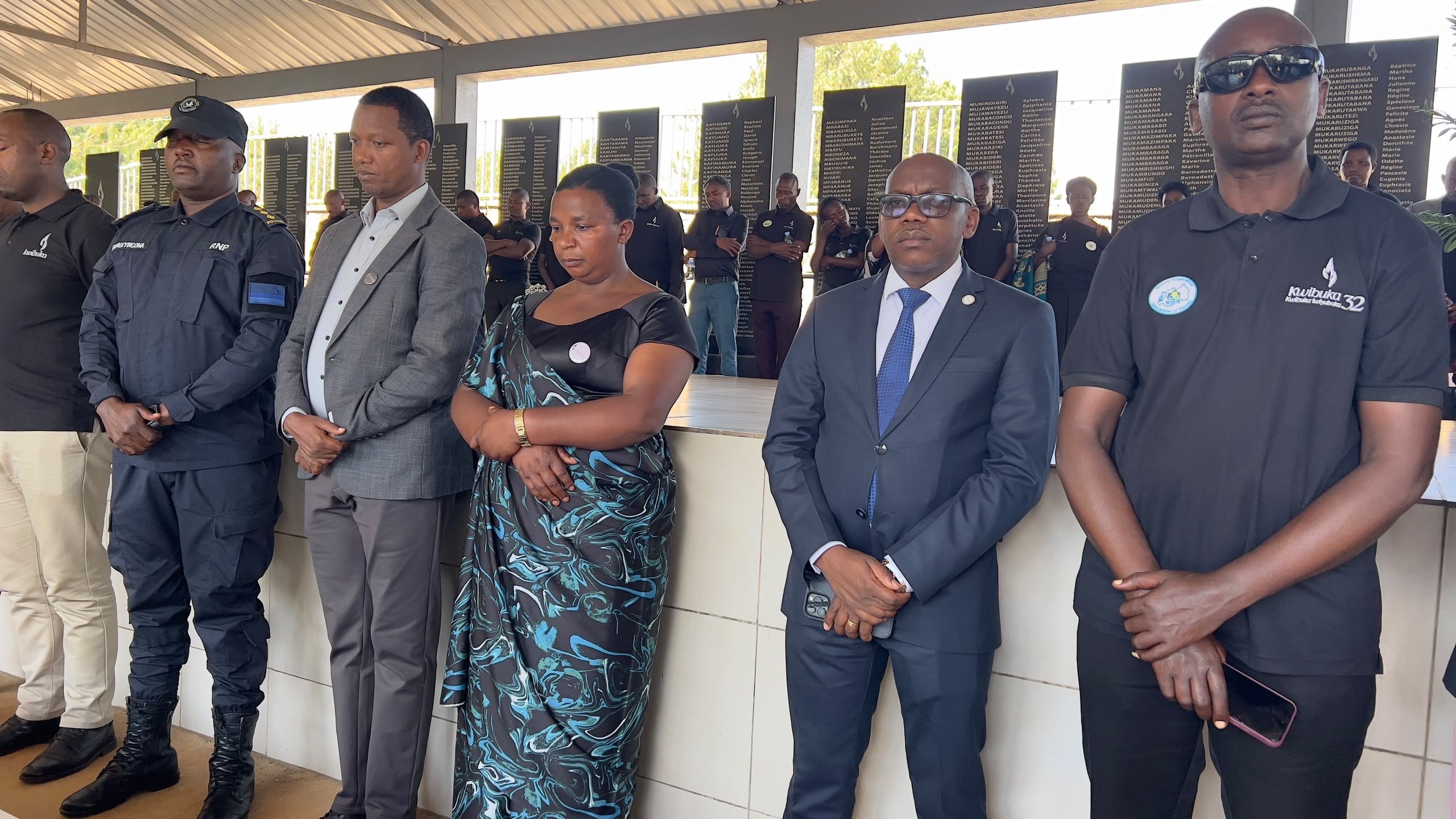
The leaders reminded participants that ethnic divisionism and genocide ideology were introduced and nurtured over decades, beginning during the colonial era and culminating in the Genocide against the Tutsi in 1994. They stressed that eradicating such harmful beliefs requires sustained effort from all Rwandans, particularly community leaders whose voices influence large numbers of people.
“Genocide ideology did not emerge overnight, and it cannot be eliminated overnight,” the leaders noted. “The responsibility to protect unity and preserve the truth about the Genocide against the Tutsi belongs to every Rwandan.”
The Bisesero Genocide Memorial Site has gained international recognition for preserving the memory of one of the most extraordinary stories of resistance during the genocide. It was inscribed on the UNESCO World Heritage List as part of Rwanda’s genocide memorial sites, honoring both the victims and the courage displayed by the people of Bisesero.
Unlike many other locations where survivors were protected by external forces, such as the former Parliament building guarded by Rwanda Patriotic Front soldiers and Hôtel des Mille Collines under UN protection, Bisesero remains unique for the collective self-defense organized by civilians themselves.
As Rwanda continues its journey of remembrance, reconciliation, and nation-building, the cooperative movement’s commitment to educating more than six million citizens marks a significant step in strengthening national unity and ensuring that the lessons of history are passed on to future generations.
By empowering cooperative leaders to become advocates for remembrance, truth, and social cohesion, Rwanda is reinforcing its resolve that genocide ideology, denial, and divisionism have no place in the country’s future.