

Western Province has renewed its commitment to eliminating child stunting and malnutrition through stronger collaboration among government institutions, partners, communities, and families, as leaders warned that urgent action is needed to protect the future of Rwanda’s children.
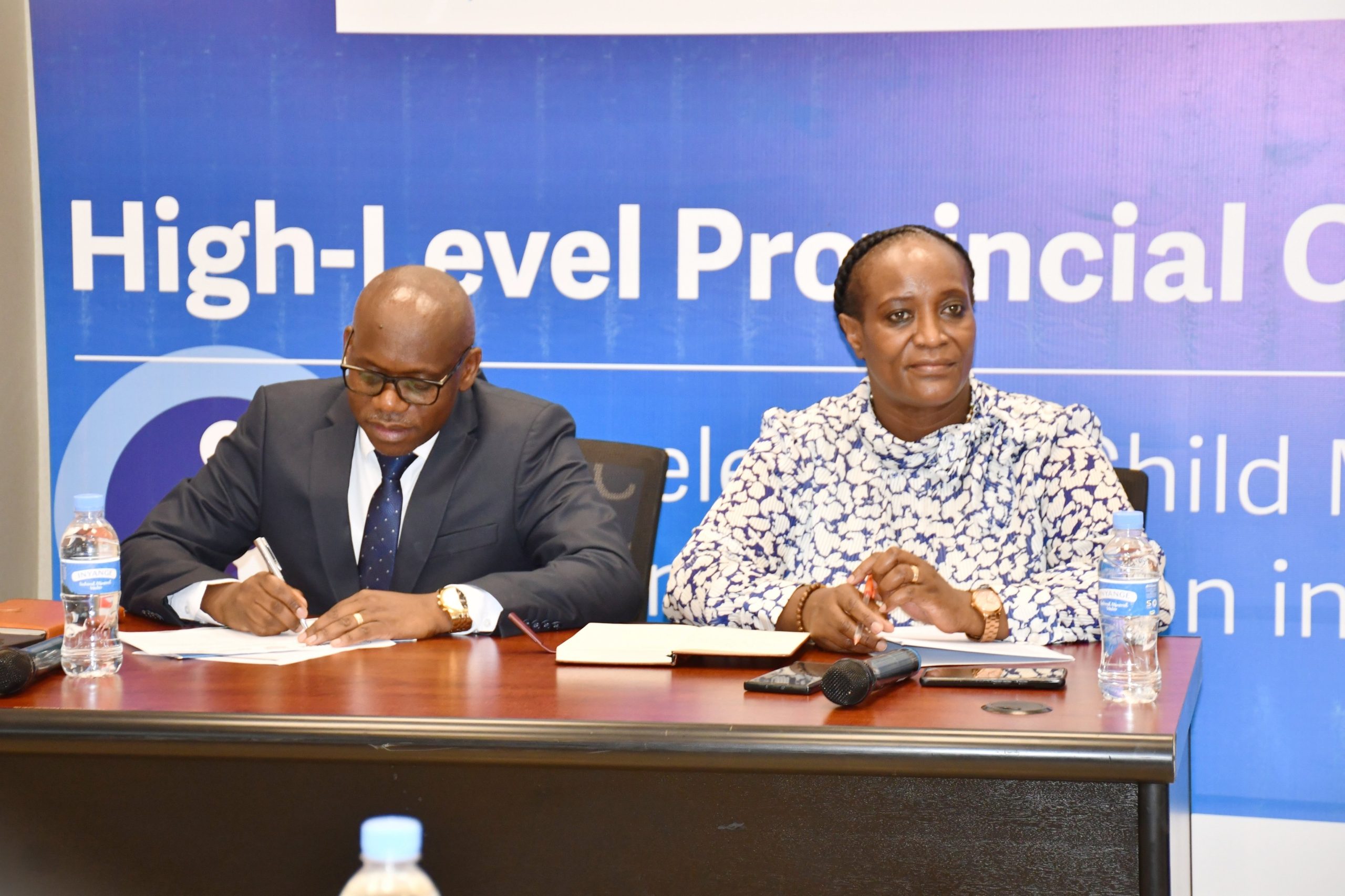
The commitment was made on 23 July 2026 in Karongi District during a high-level dialogue on combating malnutrition and reducing child stunting in the Western Province. The meeting was chaired by the Minister of Gender and Family Promotion, Uwimana Consolée, and brought together provincial leaders, district officials, development partners, health institutions, security organs, civil society organizations, and child representatives.
The Governor of Western Province, Ntibitura Jean Bosco, said that the province continues to face a significant challenge, with child stunting levels remaining above the national average. According to the seventh Rwanda Demographic and Health Survey, stunting among children under five years stands at 32.7% in Western Province compared to 27% nationally.
He attributed the high prevalence of stunting to several factors, including limited access to balanced diets for children and parents, poverty, inadequate hygiene and sanitation practices, poor maternal nutrition, low attendance of health services, limited knowledge about proper nutrition, and family conflicts.
“We found that stunting and malnutrition in our province are mainly caused by insufficient access to balanced nutrition for children and parents, inadequate hygiene and sanitation, mothers not giving enough attention to their health during pregnancy and breastfeeding, limited use of health services, low awareness about proper nutrition, and conflicts within families,” Governor Ntibitura said.
He emphasized that reducing stunting requires a united effort from all stakeholders, including local authorities, families, communities, and development partners.
A Call for Stronger Measures
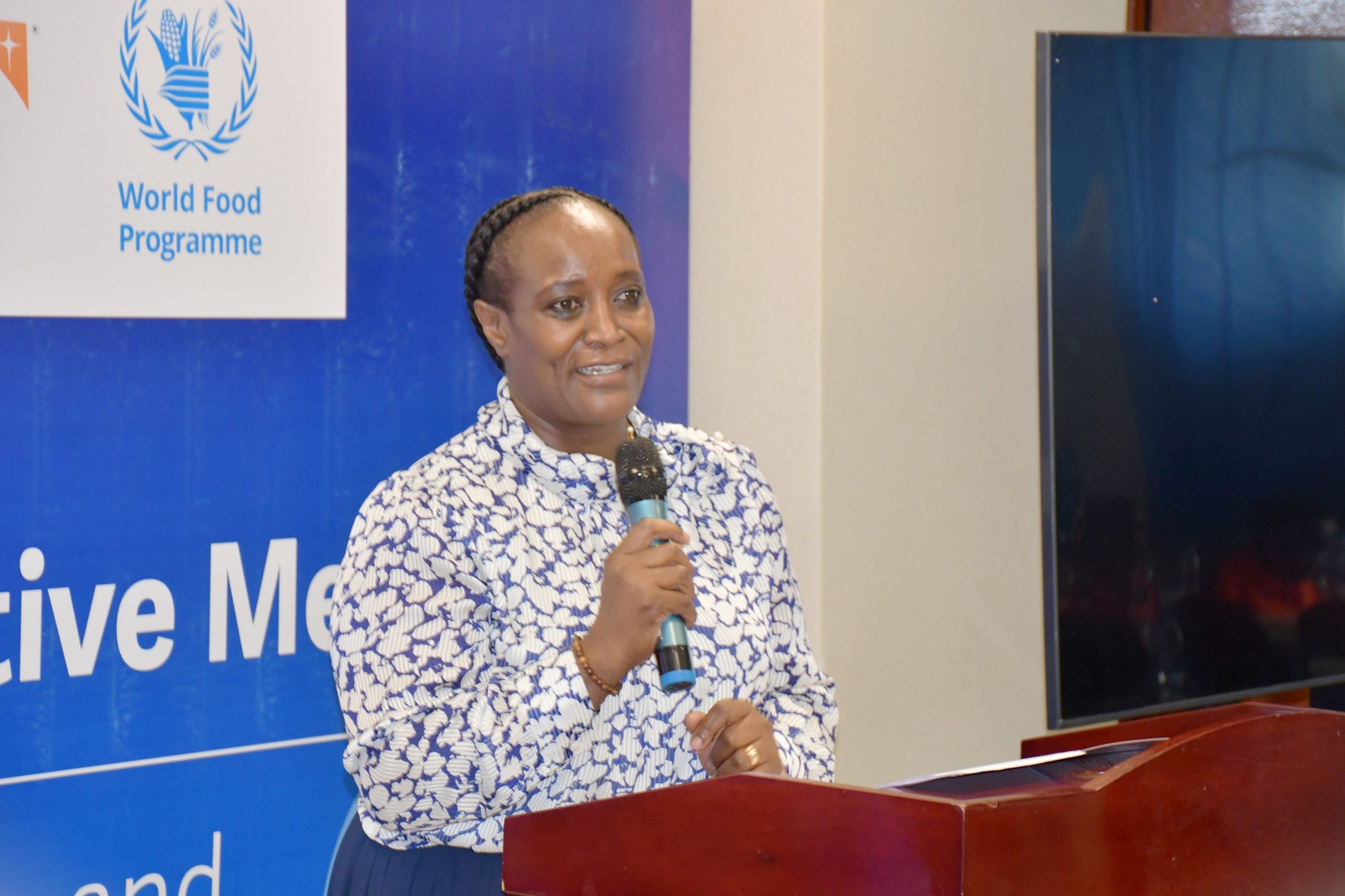
The Minister of Gender and Family Promotion, Uwimana Consolée, urged Western Province to adopt stronger and more targeted measures to address malnutrition while learning from districts that have recorded significant progress.
She highlighted the importance of strengthening agriculture so that households can access sufficient and nutritious food, while also increasing community education on preparing balanced meals, especially for young children.
“We must focus on agriculture so that people can have enough food. We must continue educating communities on how to prepare balanced diets and ensure that every parent understands what a child needs for healthy growth,” Minister Uwimana said.
She stressed that fighting stunting is not only a health responsibility but a national duty because the effects of stunting during the first five years of life can affect a child’s physical growth, learning ability, and future productivity.
“A stunted child loses part of their potential, and the country also loses part of the strength it depends on for the future. That is why fighting stunting is not a choice; it is everyone’s responsibility,” she said.
Districts Making Progress
Despite the challenges, some districts in Western Province have demonstrated that significant progress is possible through focused interventions.
Ngororero District was recognized for its remarkable achievement in reducing child stunting. The district reduced stunting from 51.5% in 2021 to 24.7%, demonstrating the impact of coordinated community-based approaches.
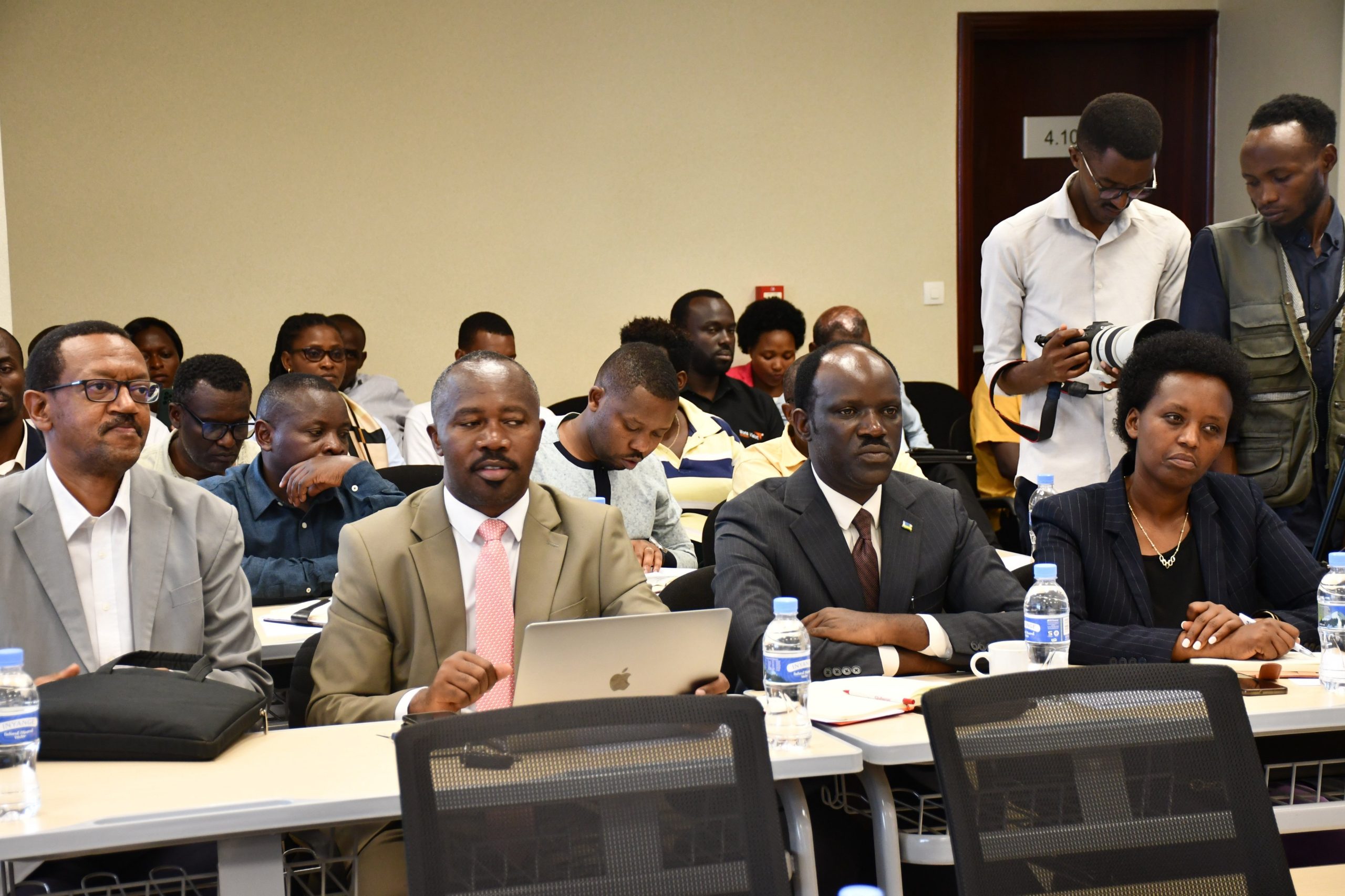
Other districts, including Karongi and Rusizi, were encouraged to intensify efforts after recording slower progress, with leaders calling for district-specific strategies based on the causes affecting each community.
Other districts with stunting rates above 30 per cent include Rutsiro District (33.8 per cent), Karongi District (33.5 per cent), Gisagara District (33.2 per cent), Rubavu District (33.1 per cent), Nyabihu District (32.7 per cent), Musanze District (31.9 per cent), Kirehe District (31.7 per cent) and Rusizi District (31 per cent).
A Multi-Sectoral Approach for a Healthier Future
The meeting gathered key actors involved in child protection, nutrition, and family welfare, including representatives from the National Child Development Agency (NCDA), World Vision, World Food Programme (WFP), World Health Organization (WHO), CLADHO, Rwanda Defence Force, Rwanda National Police, hospitals, the private sector, JADF, and child representatives.
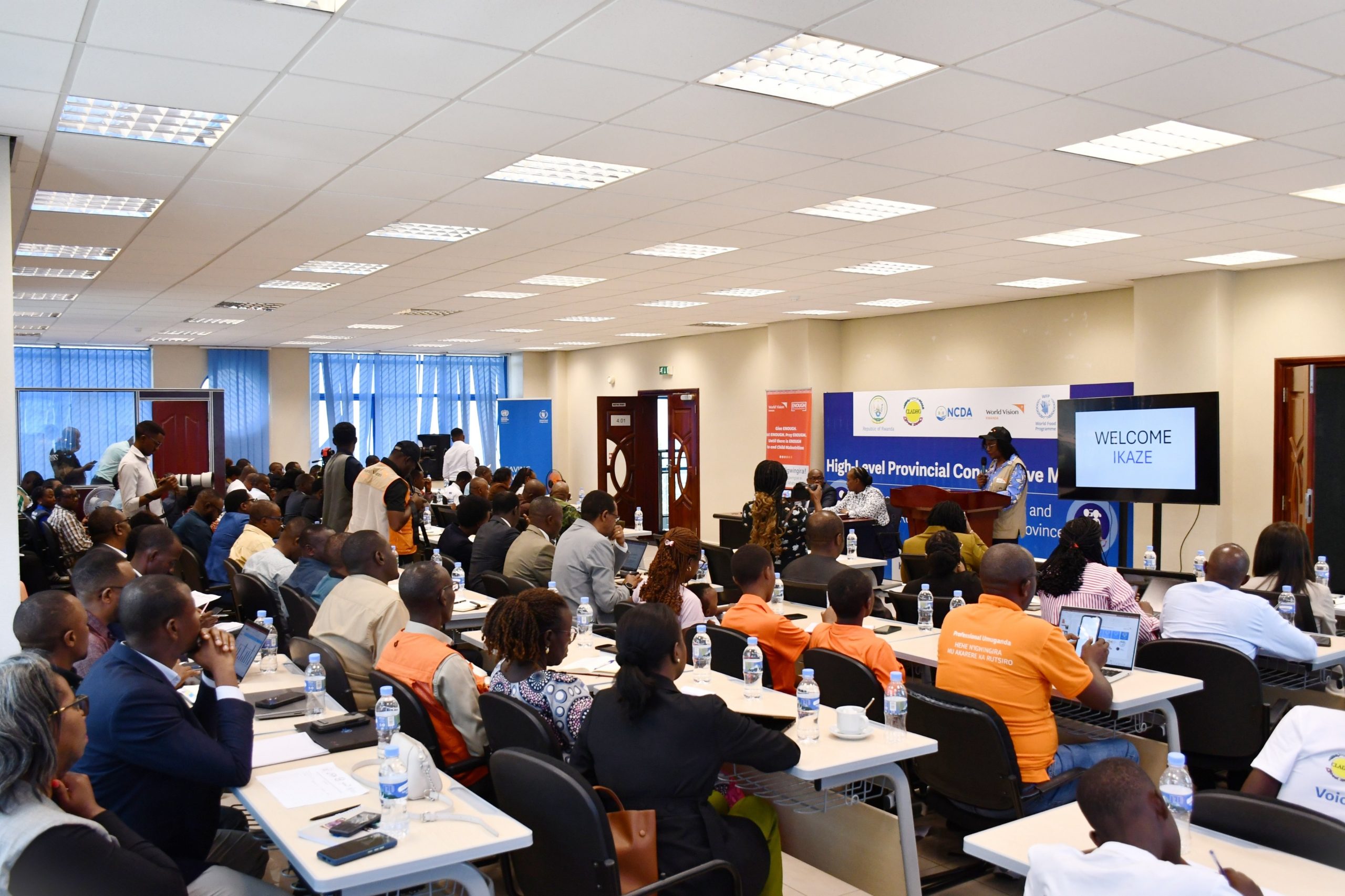
Discussions focused on the current nutrition situation in the province, progress achieved, remaining challenges, and strategies needed to accelerate the reduction of malnutrition and stunting.
Participants acknowledged that Western Province has made progress, with stunting declining by 7.3 percentage points between 2020 and 2025, reaching 32.7%. However, leaders stressed that more efforts are required to achieve Rwanda’s target of reducing stunting to below 15% by 2029.
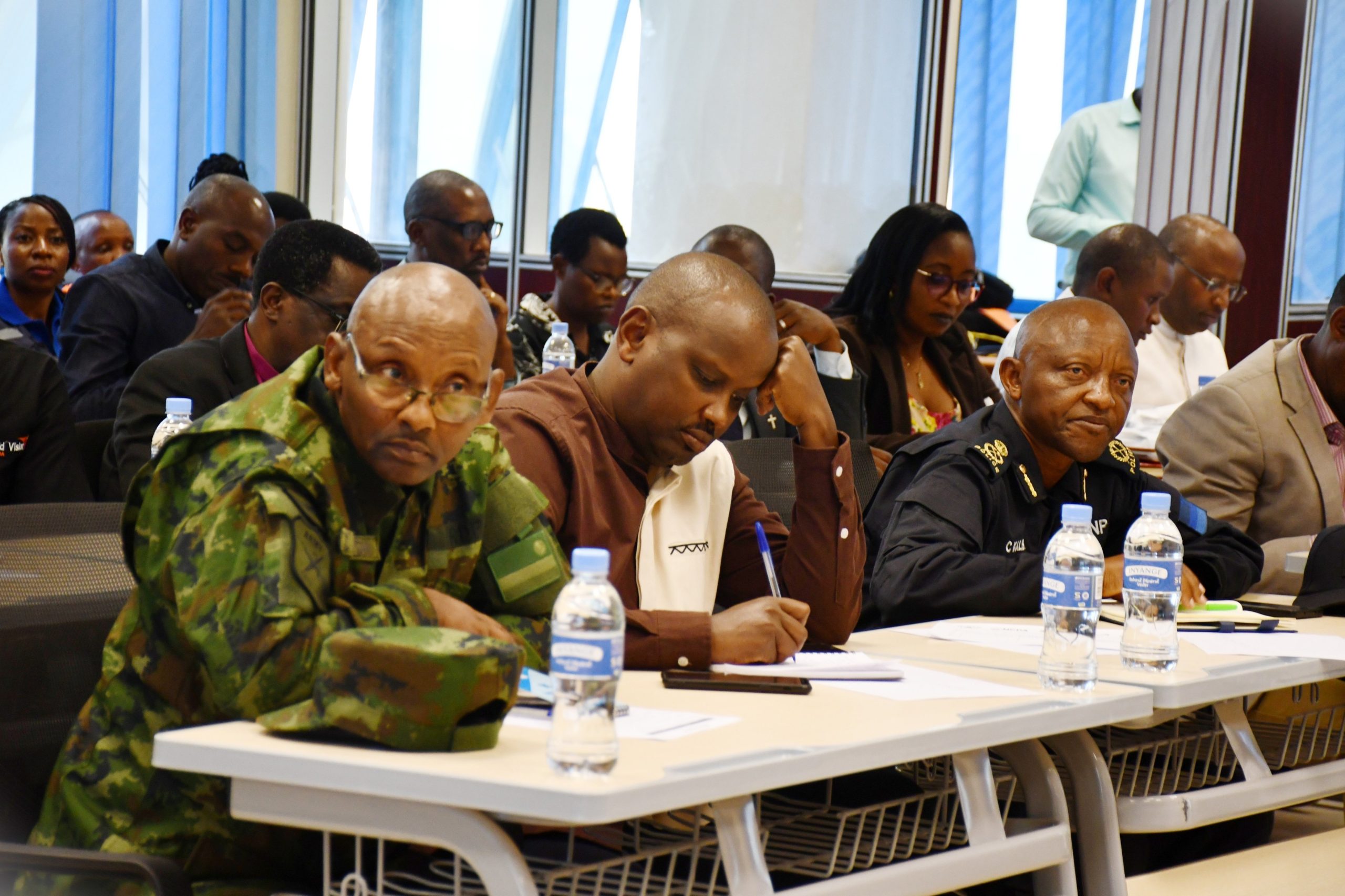
The dialogue concluded with a strong message: eliminating child stunting requires every family, community, institution, and partner to play their role.
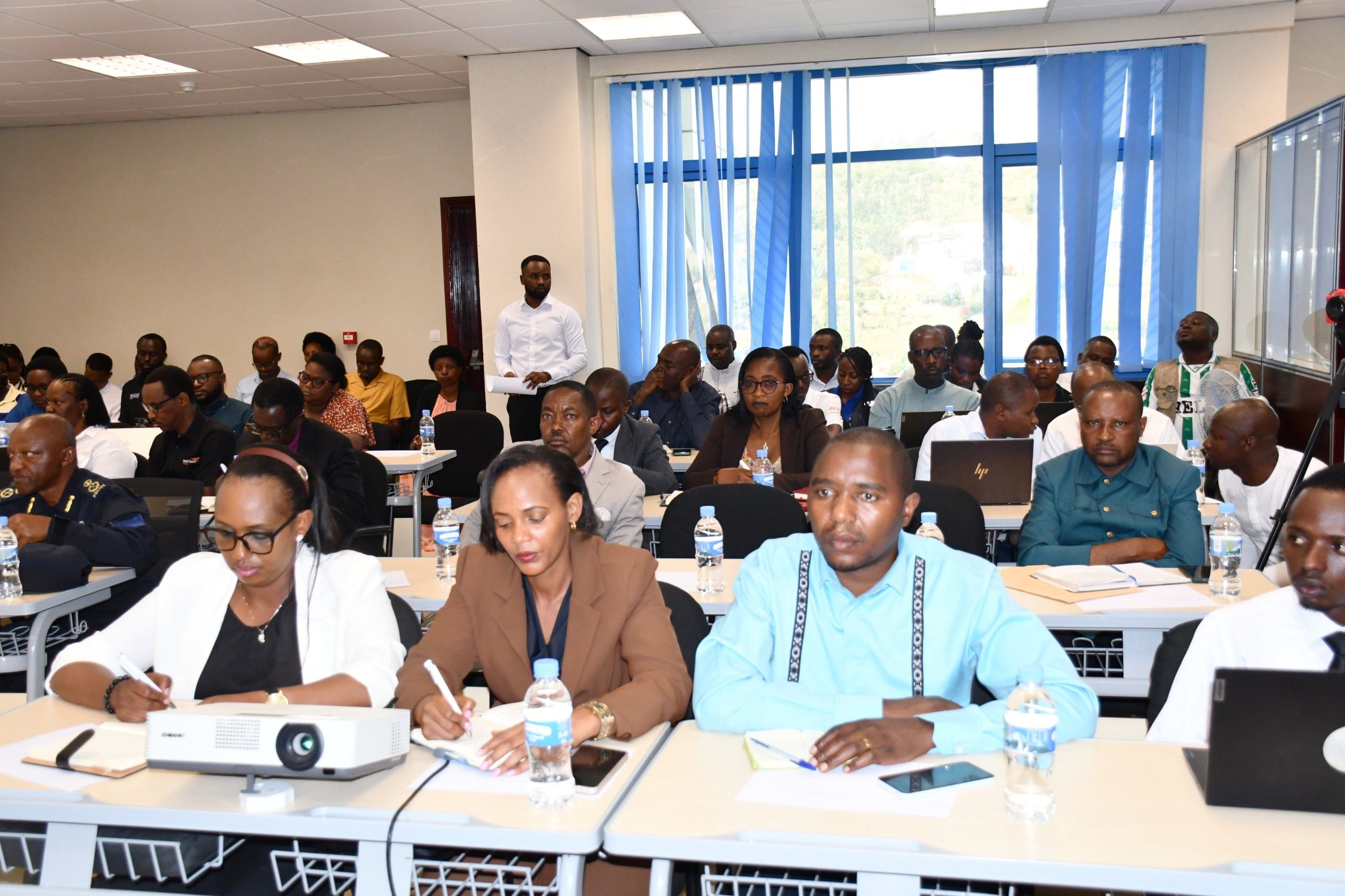
As Rwanda works toward a healthier and more productive future generation, Western Province is expected to strengthen nutrition interventions, improve household food security, promote hygiene, and ensure that every child receives the care needed to grow, learn, and thrive.
NTD

